How Installing a Septic System in Clay Soil Works with Drainage Solutions and Soil Testing
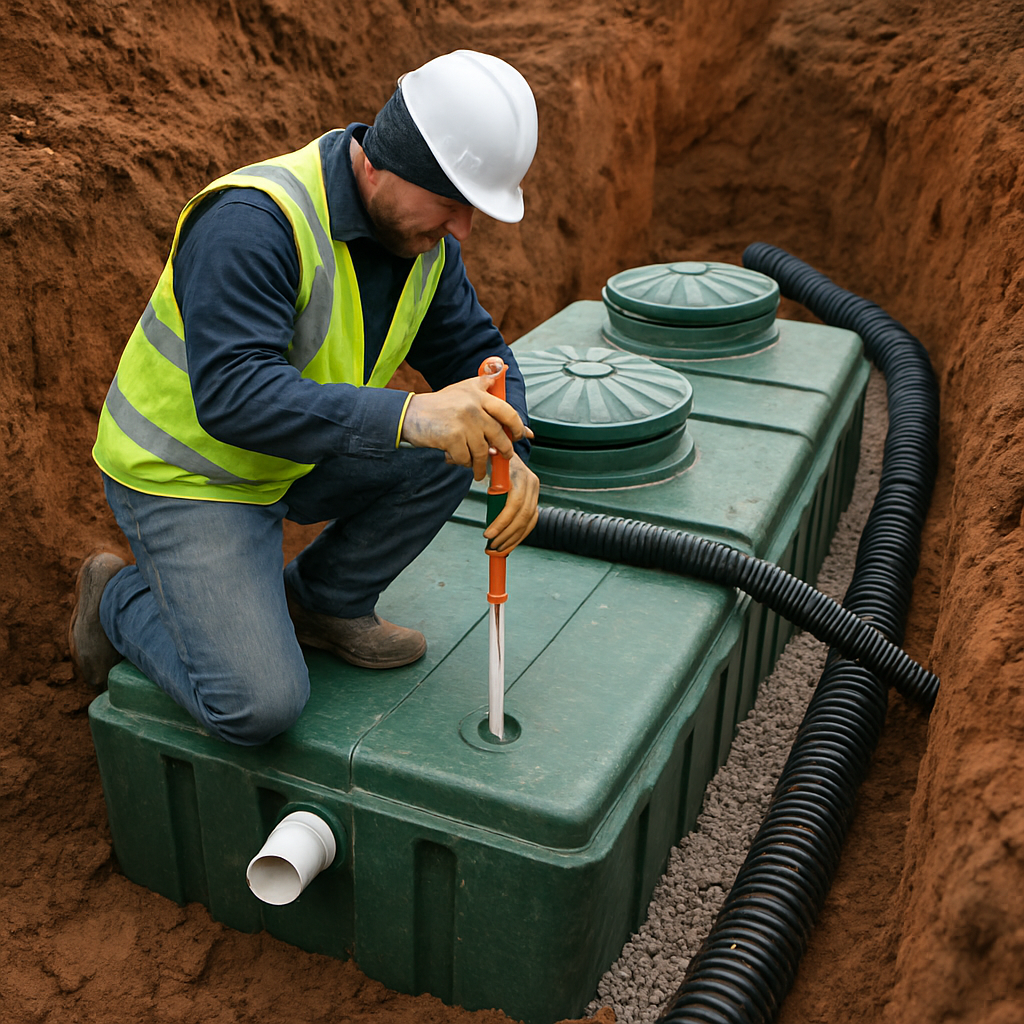
Installing a septic system in clay soil presents unique challenges due to clay's dense structure and poor drainage capacity. The most effective approach is to address core issues such as soil permeability, proper drainage solutions, and comprehensive soil testing before installation begins. By understanding the specific properties of clay and taking targeted preparatory actions, you can ensure both reliable absorption and long-term septic system performance. This article explores the crucial steps and best practices for successful installation, including tips for testing, amendments, and improving water movement in clay-rich environments.
Key Characteristics of Clay Soil Affecting Septic System Installation
The high density and impermeability of clay soil can make excavation challenging, as moving or re-compacting the soil can further reduce drainage ability. These characteristics can significantly affect the liquid absorption and retention properties required by a functioning septic system.
Conducting a soil properties test is essential before proceeding. This helps determine whether the soil can absorb effluent at a safe rate or if the capacity is too limited and requires amendments.
Clay soils often have a high water holding percentage, meaning wastewater may remain stagnant and increase the risk of system failure. Identifying waterlogged areas early helps guide system design and the implementation of specific drainage solutions.
Common Drainage Problems and Solutions for Clay Soil Systems
Poor drainage is the most significant issue for septic system efficiency in clay soils. Core problems include effluent pooling at the surface, waterlogged soil reducing oxygen movement, and limited septic absorption.
Installing engineered solutions like clean gravel beds, French drains, or alternatives such as raised beds and pump chambers can address these drainage limitations. Another option is using NDS EZ-Drain or similar systems tailored for clay properties.
Amendments to improve permeability, such as mixing coarse sand or organic compost into the soil, can further help with absorption. Core aeration or partial replacement with loamy topsoil may also boost drainage.
Critical Soil Testing Steps Before Installation
Soil testing establishes baseline clay characteristics and moisture content, which determine if the site is suitable for a standard septic system or if modifications are necessary. Use a test kit to assess soil class, optimum moisture content, and permeability limits.
Monitor the minimum absorption rate and ensure the system matches the soil’s retention capacity. Identifying the nrcs class and local regulations may dictate mandatory testing and amendments.
Testing for ph and nutrient balance is also recommended, as amendments may impact surrounding plant growth following installation. These insights guide the necessary adjustments to make the soil suitable for septic absorption.
Step-by-Step Installation Process Adapted for Clay Soil Types
Once issues are identified and solutions are prepared, installation can proceed. Begin by marking out the septic area with attention to slope to encourage gravity-assisted flow and reduce pooling.
Excavate carefully to avoid compacting the clay further: strive for a standard slope and avoid working in wet conditions. Lay a firm base using clean gravel or specialized drain mats to enhance permeability.
Install the septic tank and connect the absorption system—consider drip irrigation lines or chamber systems for difficult soils. Incorporate core amendments or drainage additives where flow needs boosting.
Backfill the trenches with a mix of original clay, improved with compost or sand where possible, and ensure the final grade promotes runoff away from the tank and leach field.
Maintenance and Long-Term Care for Septic Systems in Clay Soil
Due to clay’s tendency to retain water, regular inspections are vital. Check for signs of waterlogging, slow drainage, or liquid surfacing above the leach field.
Consider annual re-testing for saturation and make further amendments as needed. Maintaining vegetative cover with sod or well-draining plants can help manage excess moisture.
Employ core aeration techniques periodically to prevent surface sealing and improve system performance in clay. Avoid heavy irrigation or excess landscape water close to the system to limit saturation risk.
Ultimately, ongoing adaptation and periodic system upgrades help ensure steady absorption and reduce the risk of expensive repairs in sites with heavy clay soils.


Comments
Post a Comment