What to Know About Drought Tolerant No Mow Grass in California for Soil and Seed Care
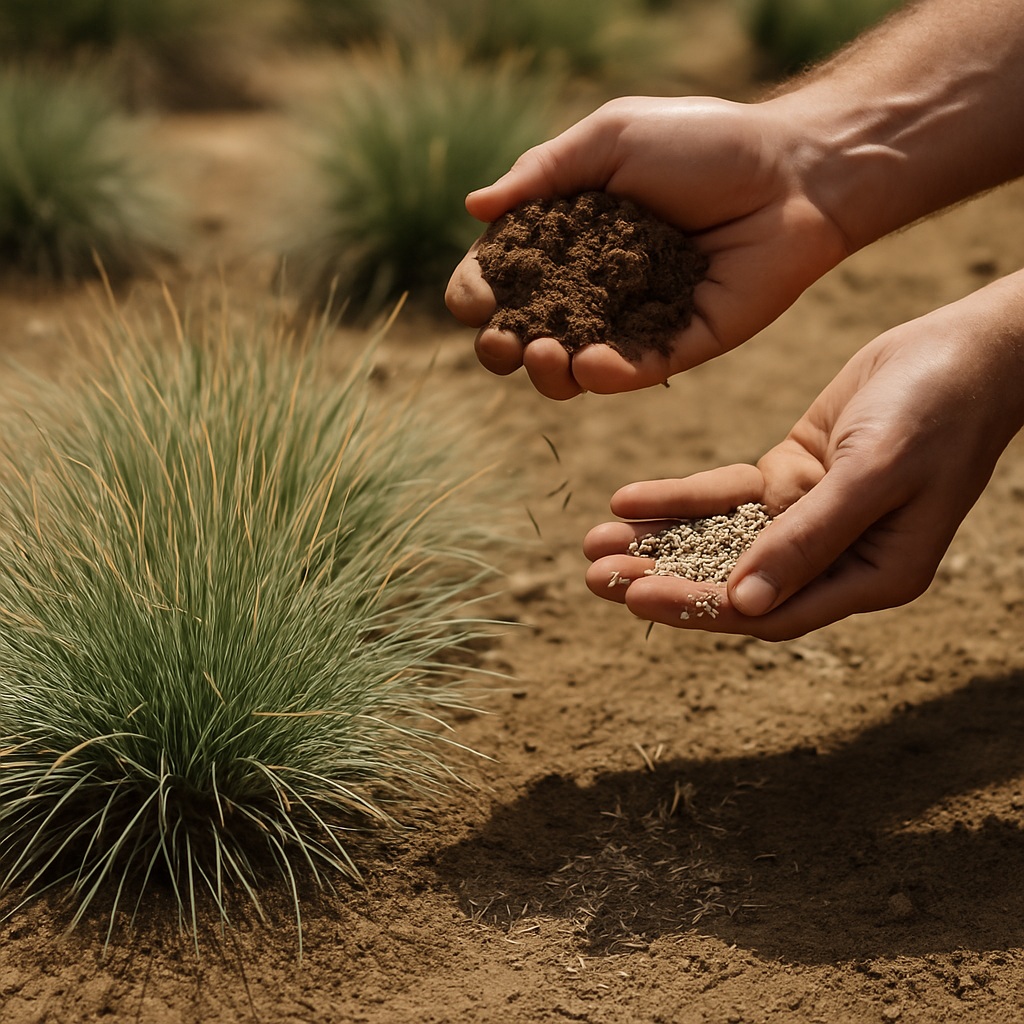
Understanding Drought-Tolerant No-Mow Grass for California Lawns
If you are seeking a sustainable, low-maintenance solution for your California lawn, drought-tolerant no mow grass varieties are among the best choices. These native and adaptive grasses reduce water consumption, require little to no mowing, and thrive in the region's challenging climate. Choosing the right seed, understanding soil requirements, and implementing a thoughtful care and maintenance routine set the stage for a resilient, year-round landscape.
This approach not only conserves precious resources, but also eliminates the hassle of traditional grass upkeep and aligns with California's drought-conscious standards. Below, we explore the major considerations for establishing and maintaining these grasses on your property.
Selecting the Right No-Mow Grass Seed
The heart of any successful no-mow lawn conversion lies in choosing appropriate drought-tolerant seed blends. Options like Native Fescue (Festuca californica), Hillside Fine Fescue Blend, and Deer Grass (Muhlenbergia rigens) are top performers, thriving with half the water of conventional lawns and minimal maintenance. These species suit a broad range of microclimates and are perfect for slopes, under oaks, or semi-shaded zones.
When selecting your mix, prioritize seeds adapted to your soil type and location—California native options are ideal for true water saving. For a blend with a fine texture and a classic meadow look, consider Native Mow-Free fescues or blends marketed as "no mow". You can find more information about these specialty seeds and how they perform in harsh summers at Stover Seed, which details genuine native mixtures tailored for the West.
Spacing is equally crucial: for spreading types like deer grass, plant at least five feet apart for swift establishment and even coverage. This maximizes both water efficiency and soil health.
Soil Requirements and Preparing the Ground
Healthy soil is the foundation for robust, drought-tolerant lawns. Before seeding, assess your soil's drainage and structure. Ideal no-mow grass environments benefit from sandy loam or well-amended clay, as these retain moisture while facilitating root growth. Incorporate compost or aged mulch to add organic matter, which helps conserve water and improves soil structure over time.
For best results, lightly till the upper layer of soil and remove debris or existing weeds before sowing. This prepares the ground for optimal seed-to-soil contact and boosts germination rates. Mulching after seeding protects young seedlings, locks in moisture, and suppresses weeds—a technique especially vital during California's dry spells.
For tailored advice specific to native no-mow blends and soil preparation, consult resources like California Wild Gardens, which offers region-specific insights and detailed ground prep instructions.
Effective Watering and Maintenance Strategies
Establishing a drought-tolerant no mow lawn requires a modest but attentive watering schedule in its first season. Immediately after sowing, water lightly to keep soil consistently moist until germination. A deep watering once or twice a week encourages roots to grow downward, increasing drought-resilience over time.
Because these grasses use substantially less water than standard lawns, ongoing irrigation can be reduced by 50% or more after establishment. Many native blends remain green with only occasional supplemental watering in dry summers; some, like deer grass, tolerate near-total dryness once mature. Mulching can further conserve soil moisture and minimize watering needs.
Maintenance is straightforward: most no-mow blends can be left untouched, but if a tidier look is desired, cut back to about six inches using a weed whacker or hard rake in late winter. This removes dead blades and revitalizes fresh growth for spring.
Be aware that these lawns are not designed for heavy foot traffic or pets; steer use toward ornamental spaces where visual impact and ecosystem support matter most.
Feeding, Mulching, and Seasonal Considerations
Unlike traditional grasses that depend on regular fertilizing, drought-tolerant varieties often thrive with little additional feeding. If you choose to fertilize, apply a slow-release, low-nitrogen formula in early spring to awaken new growth without fueling thatch or excessive greening during drought.
Mulching is highly recommended both at establishment and throughout the year. Spread a thin layer of bark mulch or compost around grasses to regulate soil temperature, retain water, and naturally suppress weeds. This organic approach aligns with California native plant care and contributes to long-term soil health.
Winter brings a pause in growth, so avoid unnecessary fertilizing late in the season. If thatch or dead debris accumulates, a gentle raking is all that's needed to maintain appearance and let light reach new shoots the following year.
Through these steps—selecting the right seed, preparing soil, watering wisely, and maintaining with mulch—you can enjoy a resilient, water-saving, no-mow lawn tailored for California conditions.
For more in-depth advice and regional recommendations for drought tolerant lawns, explore native species lists and specific care guidance at LawnStarter's California Native Grasses guide.
These strategies ensure your drought tolerant no mow grass flourishes in California while reducing maintenance, protecting resources, and supporting local biodiversity.
Comments
Post a Comment