How Residual Soil and Transported Soil Affect Sandy and Clay Foundations in Landscaping
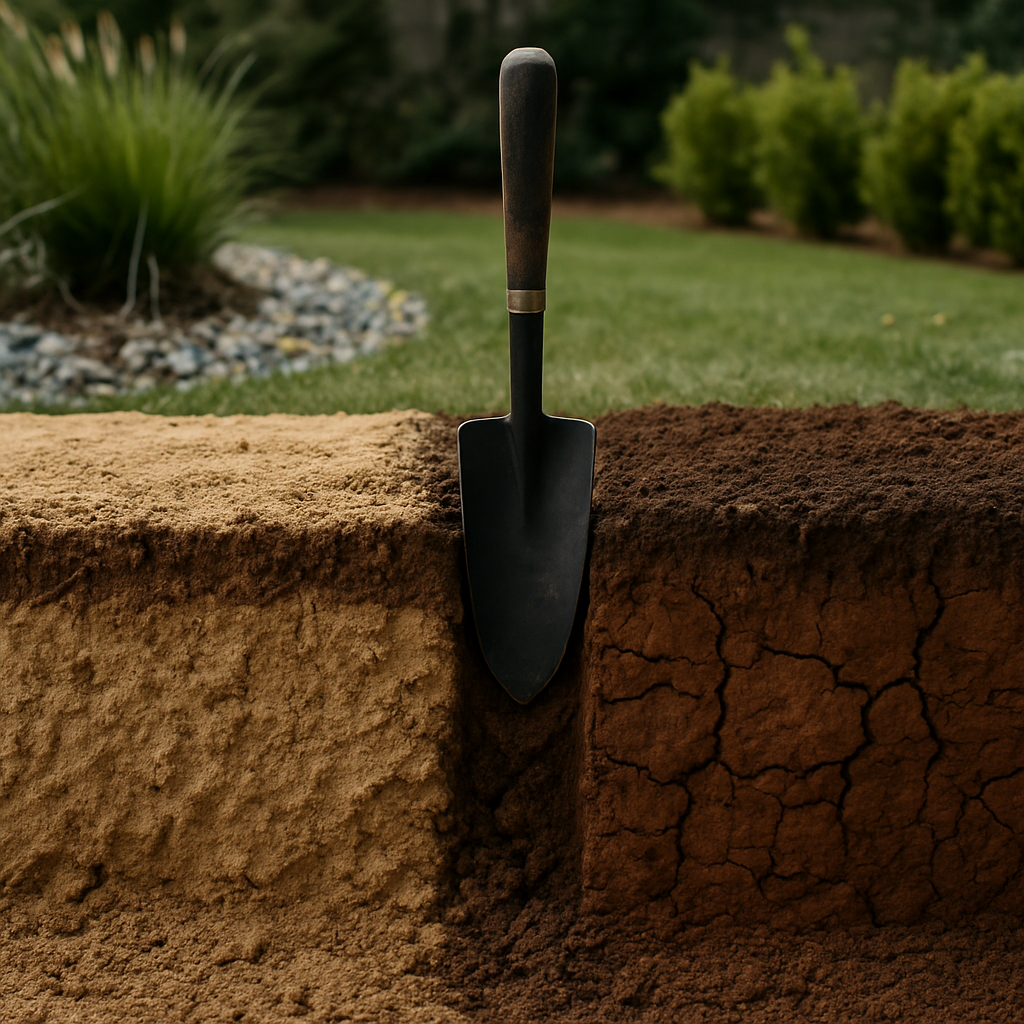
Residual soil and transported soil play distinct roles in how foundations are designed for sandy and clay-rich landscaping sites. Residual soil is found where it originally weathered, while transported soil has been moved and settled in new areas. Recognizing the behavior of each type is essential for managing stability, drainage, and overall soil performance, especially when planning construction or analyzing gardening conditions. Understanding the differences between these soils can influence everything from foundation choices to crop selection and moisture retention.
Understanding Residual Soils in Foundation Areas
Residual soil forms directly over the parent rock from which it is weathered. This means its properties are influenced by the local bedrock, which can be clay, sand, or a mixture. In landscapes with predominantly clay-rich base rocks, residual soils often exhibit slow drainage and may become soft or sticky after rain.
Such soils can be challenging for building foundations because their stability may decrease when saturated. Homeowners planning gardens in these zones should choose crops or plants that tolerate dense, poorly drained conditions, like some succulents or certain types of cactus.
In sandy landscapes, residual soils retain better drainage but may require frequent watering and amendments such as organic mulch to enhance moisture retention. This natural variation directly impacts how garden beds and hardscapes must be designed for long-term success.
Transported Soils: Alluvial, Loamy, and Muck vs Peat Considerations
Transported soils originate elsewhere and are deposited by water, wind, or ice. Alluvial soils, deposited by streams and rivers, are often fertile and loamy, making them highly desirable for both landscaping and farming. However, their layer thickness and composition may vary considerably in small distances, impacting foundation reliability for structures and plantings.
Loamy transported soils balance sand, clay, and silt, offering excellent water retention and nutrient profile. Such qualities make them ideal for garden areas, lawns, and flower beds. However, when constructing patios or retaining walls, it is important to check for potential soil movement, especially if flood events have shaped the landscape.
Muck and peat soils, known for high organic matter, also fall into the transported category. Gardeners must differentiate between these for optimal plant growth: peat is more acidic and holds water better, while muck is nitrogen-rich and aerobic. Each presents unique considerations for drainage and plant suitability in foundation planting zones.
For more on these soil distinctions, see this soil guide.
Foundation Design: Heaving, Liquefaction, and Soil Hardness
Foundation issues like heaving arise when expansive clay residual soils absorb water and swell. Such movement can crack sidewalks, patios, or even cause shifting in garden retaining walls. Homeowners should perform a sleuth probe or professional soil test before beginnging construction in known expansive clay regions.
Transported soils are also susceptible to liquefaction under seismic or flood events, particularly in sandy or silty alluvial areas. This process turns stable ground into a semi-liquid state, undermining structural integrity. Avoiding construction on soils prone to high liquefaction risk or employing deep pier foundations mitigates long-term problems.
Soil hardness, whether hard or soft, also affects root penetration and drainage. Regular perlite or vermiculite amendments can help aerate soft soils and prevent compaction in heavy gardening zones. Clay-heavy residual soils require these amendments more often than well-draining sandy soils.
Consulting local building codes and real-world case studies is recommended for site-specific foundation planning.
Case Study: Black vs Red Soils for Sustainable Landscapes
Black soils, rich in organic content and commonly found as transported deposits, are prized for vegetable and flower gardens. Their excellent fertility requires supplemental irrigation in dry regions but offers high productivity. However, if situated on a foundation footprint, these soils may settle more over time, requiring post-construction adjustments.
Conversely, red soils — typically residual, weathered from iron-rich rocks — are common in hilly areas. They drain rapidly, making them poor candidates for water-demanding crops, though they are stable for foundations. Loamy amendments can help retain moisture in these gardens and boost plant success rates.
For more comparative information between residual and transported soil behaviors, visit the discussion at Weegy.
Pro Tips: Matching Plants and Foundations to Soil Types
- For foundation plantings on heaving clay, select shallow-rooted perennials and install root barriers.
- In sandy transported soils, use mulch and loamy amendments to improve water retention and anchor light structures.
- Where alluvial soils prevail, periodic soil testing is useful to monitor nutrient levels and organic matter.
- For cactus and succulents, regular and laterite-rich soils offer the best combination of drainage and mineral content. These reduce waterlogging and root disease.
- On sites with high liquefaction potential or peat/muck presence, avoid permanent hardscape installations without deep anchoring.
Understanding the specific behaviors of residual soil and transported soil is key for designing stable sandy or clay-based foundations and creating healthy, productive landscapes.


Comments
Post a Comment