Carpenter Ant Removal Cost: Average Pricing, Indoor vs Outdoor, and DIY Remedies Explained
 |
| carpenter ant removal cost |
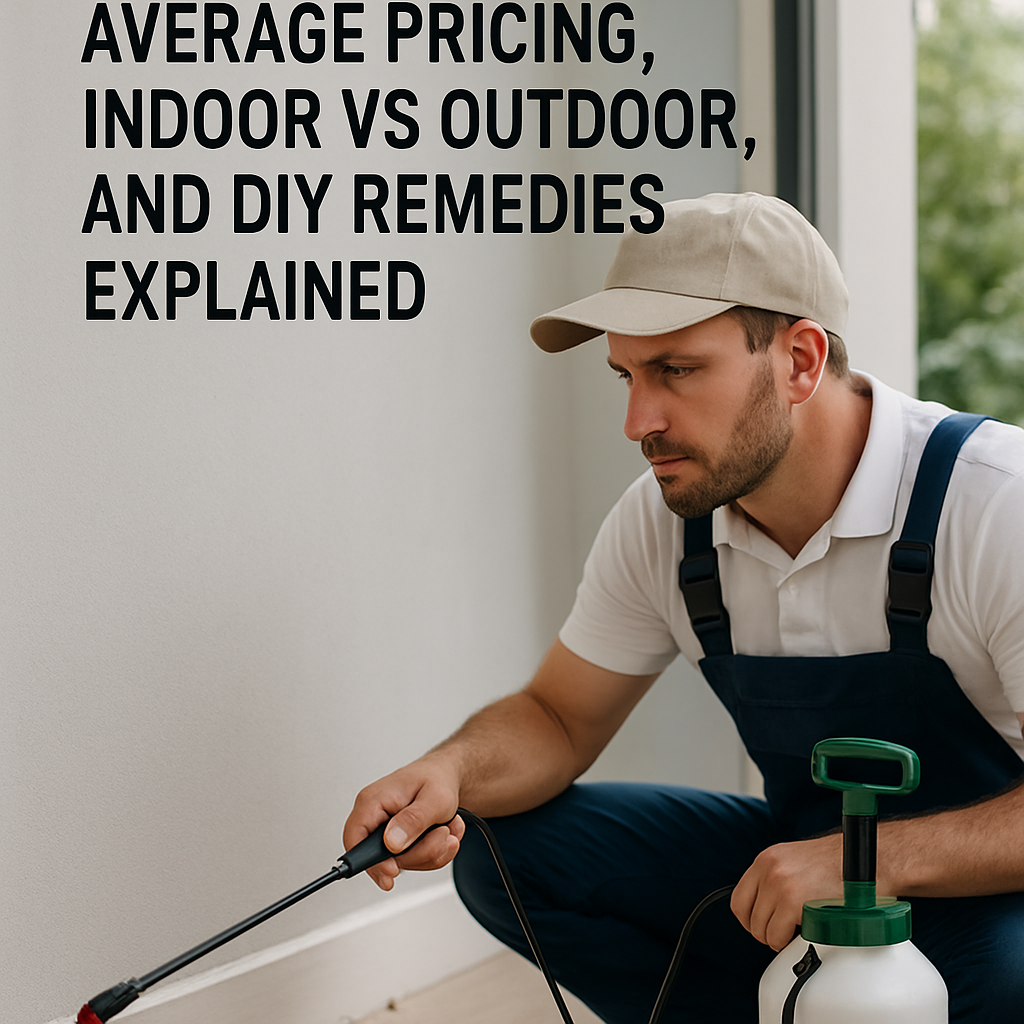
For homeowners looking to eliminate ants quickly, understanding the average ant exterminator cost is essential, as prices can vary depending on the treatment area (indoors vs outdoors), the specific ant species, and DIY alternatives. Typically, professional ant extermination services range from $150 to $500 per visit, influenced by factors such as the size of the infestation and property. Below, we explore the true breakdown of costs, the difference between indoor and outdoor treatments, and when you might opt for commercial products or home remedies instead.
Understanding Average Pricing for Ant Control Services
The average cost of hiring an ant exterminator is around $300, but this can fluctuate based on region and service complexity. Homes with persistent infestations, such as those involving carpenter ants, may see higher charges. Exterminators usually charge either a flat fee per call or price their services on a per-square-foot basis when the infestation is extensive. Pricing around California and Texas tends to be on the higher end—sometimes $500 or more—due to demand and local pest management regulations.
It is important to get a detailed quote from your local pest company, as initial treatment often includes follow-up visits to ensure the colony is eliminated. Some companies offer bundled packages for interior and exterior treatments, which can reduce per-visit costs for long-term relief.
Factors such as property size, severity of infestation, and frequency of treatments all impact the final bill. Most specialists include baiting, spraying, and barrier protection in their standard service, but specialized treatments (for example, targeting carpenter ants) can increase costs further.
- Initial visit: $150 – $350
- Large infestations or complex properties: $400 – $800
- Monthly/Quarterly maintenance: $40 – $60 per visit
Comparing Indoor and Outdoor Ant Treatments
Interior ant treatments tend to rely on safe, targeted bait granules or stakes, especially for families with pets and small children. Professional services often use low-toxicity products like those sold by TERRO®, which offer both instant contact kill sprays and longer-lasting baits. The cost for indoor-only treatment often averages less than a full-property package.
Outdoor ant killer treatments usually require perimeter sprays and the use of commercial-grade pesticides, which cost more due to the higher volume of product required. When dealing with carpenter ants or larger outdoor nests, professionals may apply specialized outdoor ant control sprays and barrier chemicals.
DIY outdoor options—such as homemade vinegar sprays or baking soda remedies—can save money, but their effectiveness is generally suited to minor problems rather than large colonies. For comprehensive removal, most homeowners eventually require a professional-grade insecticide or bait system.
When comparing costs, ask your service provider whether ongoing exterior barrier treatments are included. This can help keep outdoor ants from re-entering the home and may be the best value over time.
Professional vs DIY Methods: Natural and Commercial Products
While professional ant extermination guarantees reliable results, many homeowners attempt DIY remedies before calling an expert. Popular approaches include combining vinegar and water for spot cleaning and using baking soda or borax mixtures as ant bait—a method supported by eco-friendly pest control guides (source).
Commercial ant pesticides, like those available at home improvement stores, range from $10 for basic indoor baits to over $50 for full home barrier applications. These products often advertise pet-safe and natural formulas, but it is crucial to read labels and apply only as instructed for indoor use.
DIY ant control may appeal to those seeking natural or homemade solutions, but commercial products generally provide faster, more lasting effects, especially for larger or recurring infestations. For persistent problems inside the house, a combination of liquid ant bait, barrier sprays, and outdoor granules provides comprehensive protection.
If you opt for DIY, focus on sanitation and exclusion methods—seal cracks, remove spills, and keep food stored securely—as they can significantly reduce the likelihood of re-infestation alongside bait or spray applications (see University of California experts).
Factors Increasing Extermination Costs for Carpenter Ants
Carpenter ants are among the costliest to remove due to their ability to burrow into wood. Their presence inside walls or wooden structures may warrant invasive treatments such as drilling and injection of insecticide. Homeowners with a confirmed carpenter ant infestation should expect to pay at least $300 to $700 for professional services, owing to the time and expertise required to locate all nesting sites.
Because carpenter ants can cause significant damage to structural wood, postponing treatment often leads to increased repair costs. Many professionals use bait granules, dusts, and specialized chemical applications both inside and outside the home, and may recommend regular inspection to prevent re-infestation.
For minor carpenter ant problems, targeted DIY treatments may offer some relief, but full eradication typically requires professional experience and products unavailable to the general public. Always inquire about the specific products and techniques a pest specialist will use before agreeing to service.
Integrated pest management, including habitat modification and sanitation, often accompanies chemical treatment to ensure long-term success for carpenter ant control.
Choosing Between Ant Baits, Sprays, and Natural Insecticide Options
Modern ant control strategies often combine several methods for the most effective, long-lasting relief. Liquid bait stations and granules work by attracting worker ants, who then carry poison back to the colony. While slower to kill than sprays, baits are a highly effective solution for ongoing infestations both inside and outside the home.
Contact killer sprays provide instantaneous results on visible ants, but rarely address the root colony. Homeowners who want immediate relief may apply these in high-traffic ant areas, while simultaneously setting up baits for colony elimination.
Those seeking pet-safe or natural insecticide options can look for products containing plant-based active ingredients or make homemade repellent sprays with vinegar or essential oils. However, these methods are generally best for preventing small ant invasions rather than removing established nests.
Ultimately, the most effective ant extermination approach often combines indoor baits, outdoor chemical barriers, and regular cleanliness to prevent future problems. Consult a professional if home methods are insufficient or the infestation returns despite best efforts.
By understanding the various aspects of ant exterminator costs, available products, and treatment strategies, homeowners can confidently select the most effective way to get rid of ants permanently and within budget.


Comments
Post a Comment