Ant Bait Gel: How It Works, DIY Tips, Indoor vs. Outdoor Use, and Pet Safety Insights
Understanding How Ant Bait Gel Works for Effective Ant Control
If you want to deal with ant infestations effectively in your home or yard, ant bait gel is one of the most reliable methods available. This solution uses a slow-acting insecticide mixed with an attractive food source, allowing worker ants to carry it back to their nest and share with the colony, ultimately targeting the queen and disrupting the entire population. Rather than killing ants on contact, ant bait gel exploits the natural foraging behavior of ants to eliminate infestations at their source—a process that requires patience but delivers thorough results over time. Using the right type of bait gel, in the correct setting, and following expert guidance dramatically increases success rates while ensuring safety for pets and household members (NC State Extension).
Types of Ant Baits: Gel, Liquid, and Granules
Ant baits are available in several forms, each suited to different ant problems and areas of application. Ant bait gel is specifically formulated to stick to surfaces, making it ideal for applying along edges, cracks, and in hard-to-reach places indoors. This stickiness allows ants to easily consume and then transport the poisoned bait back to their colony.
Liquid baits, such as those in pre-filled bait stations, are especially effective for many household ant species and can be placed discreetly in kitchens, pantries, and around perimeters (Terro). Granular baits, on the other hand, are often used outdoors to tackle infestations near foundations, garden beds, or patios. Each form leverages similar principles but targets varying ant behaviors and nesting habits.
For severe or persistent infestations, combining indoor ant bait gel with outdoor granular bait can provide a comprehensive strategy, ensuring both internal and external colonies are addressed.
Choosing the right bait depends on the ant species, location of activity, and your specific needs regarding application convenience and safety around children or pets.
Switching between different formulations also helps prevent ants from developing bait aversion or ignoring the product due to flavor fatigue.
DIY Home Solutions vs. Commercial Ant Bait Gel Brands
Many homeowners experiment with homemade ant killer solutions using ingredients like sugar mixed with borax, baking soda, or dish soap. While some DIY options can provide limited control for minor problems, they often lack the efficacy, targeted insecticides, and attractant formulas found in commercial ant bait gels such as Advion, Terro, Maxforce, and Optigard (NYT Wirecutter).
Professional ant bait gels are meticulously tested for their effectiveness on a wide variety of ant species and environmental conditions. This targeted approach allows for faster colony elimination and reduces the risk of ants avoiding the bait altogether—a common issue with homemade or incorrectly mixed baits.
DIY recipes may serve as a temporary solution or supplement, but where severe infestations are present or when a pet-safe and residue-free approach is required, trusted brands offer measured, predictable results.
When evaluating whether to buy or make your own ant bait gel, consider the presence of pets, the location of infestation, and your need for long-term, reliable control.
Practical Tips for Indoor and Outdoor Application
Success with ant bait gel hinges primarily on proper placement and patience. Always apply the gel near observed ant trails but avoid smearing it across large areas, as ants may avoid heavily disturbed or contaminated zones. Place pea-sized droplets in inconspicuous corners, along baseboards, inside cabinets, and close to entry points.
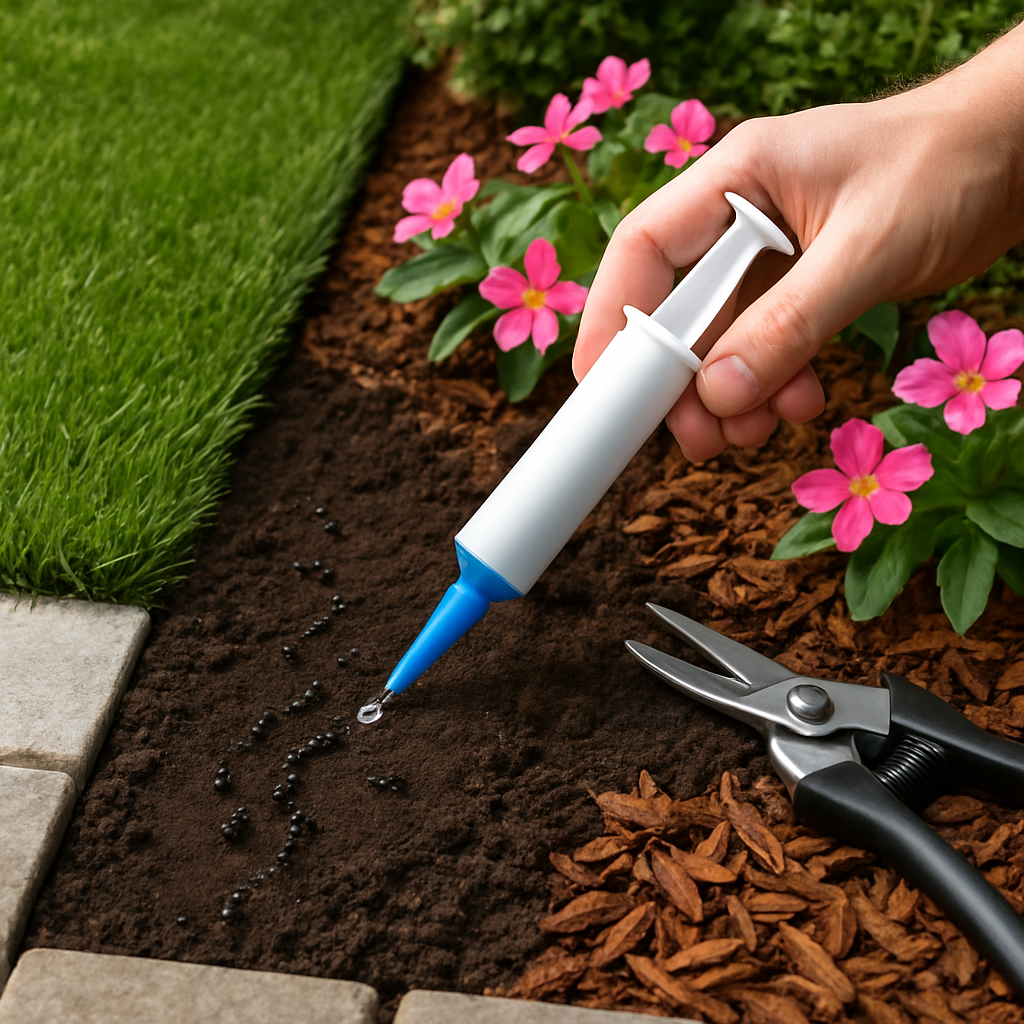
For outdoor infestations, focus on cracks in concrete, garden edges, or around window frames. Use granular products in the yard while relying on gel formulations for patios, garages, or sheds.
During treatment, do not use other insecticides or cleaning sprays near the bait, as these can deter ants or contaminate the gel’s scent, making it less attractive (NC State Extension). Allow ants to access the bait freely—this will often mean continued ant activity for several days, but this is a sign the bait is being carried home to the nest.
Refreshing the gel weekly may be necessary if ants persist or if the bait dries out or is fully consumed. Consistent monitoring and strategic re-application are vital for long-term results.
Keep outdoor baits covered or sheltered from rain, which can wash away gel and dilute its effectiveness. Indoors, instruct family members not to clean baited spots until ant activity ceases completely.
Pet Safety and Non-Toxic Options with Ant Baits
Pet owners should pay careful attention to ingredient labels and manufacturer safety instructions on all ant bait gel products. While many modern gel baits use active ingredients like borax, which are less hazardous to pets than traditional pesticides, it is prudent to place baits well out of reach or behind barriers where pets cannot access them (NYT Wirecutter).
For added safety, consider purchasing ant baits designed and marketed as pet-safe, with enclosed bait stations or gels that use attractants not appealing to animals. Avoid DIY uses of borax, baking soda, or vinegar in areas accessible to pets, as ingestion can still cause harm over time.
Contact your veterinarian immediately if your pet is suspected to have ingested any chemical ant bait. Symptoms to watch for include drooling, vomiting, or lethargy. When in doubt, err on the side of caution and select products with clear pet-safe labeling and sealed application systems.
Review customer reviews and expert guidance for specific recommendations on popular pet-friendly bait gels, often available from retail sources like Home Depot and Walmart.
Troubleshooting and Best Practices for Lasting Success
Patience is vital. Ant bait gel usually takes several days to eliminate the entire colony—even if ant activity appears to increase at first. Resist the urge to spray or wipe away ants while the bait is active, as interrupting their foraging can slow or completely thwart the treatment process.
If ants show no interest in your chosen bait, try switching the bait type, as different ant species may prefer proteins over sugars, or vice versa. Always keep the gel fresh, free from contaminants, and place bait directly in the ants' paths to maximize uptake.
Persistence pays off: reapply as needed, monitor movement, and adjust locations if traffic flow seems to bypass your bait spots. Maintain a clean environment to limit alternate food sources while removing any open sweets, crumbs, or spills.
Follow all product label instructions and refer to expert resources such as the comprehensive NC State Extension Guidance for step-by-step advice. This ensures not only the most effective use of ant bait gels but promotes safety, efficiency, and a pest-free home for the long term.
Ant bait gel offers a practical, science-backed solution for indoor and outdoor ant control, allowing users to target the root cause while protecting both people and pets through thoughtful application and ongoing monitoring.


Comments
Post a Comment