What to Know About Torch Coral Brown Jelly Disease and Its Symptoms, Causes, and Cure
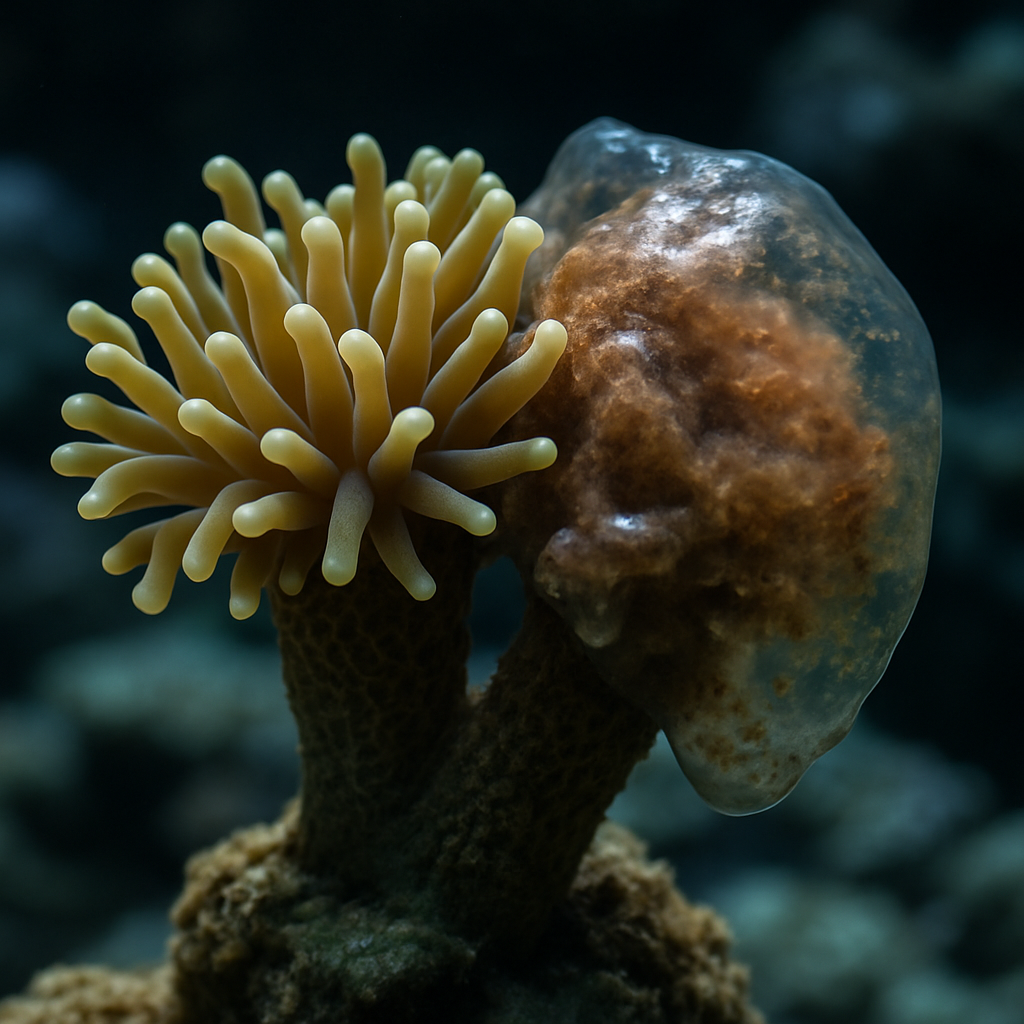
If you keep reef aquariums, it is vital to identify, treat, and prevent Torch Coral Brown Jelly Disease as soon as possible to protect your prized LPS corals from rapid decline. This aggressive infection, known for its distinctive brown, jelly-like coating, can kill torch, hammer, and frogspawn corals in a matter of days if left untreated. Knowing the symptoms, major causes—including stress factors—and the most effective cure strategies will dramatically improve your coral's chances of recovery and stop the spread throughout your tank.
Recognizing the Early Signs and Symptoms in Torch and Frogspawn Corals
The onset of brown jelly disease is often marked by a buildup of a thick, slimy, brown substance that covers affected coral heads. Torch corals, in particular, demonstrate tissue melting, tentacle loss, and a rapid shrinkage in polyp size. Sometimes, the disease will emit a foul odor, and you may notice pieces of tissue detaching from the skeleton. According to Manta Systems, symptoms tend to progress quickly, making swift action important.
Occasionally, brown jelly can impact soft corals and SPS corals, but LPS varieties like torch and frogspawn are especially susceptible. Watch for stinging or chemical wounds, which can serve as gateways for pathogens. These early visual cues make the difference in preserving vulnerable corals and halting the disease's rapid cycle within your reef tank.
Routine inspection is key, especially if you recently introduced new livestock, or after mechanical injuries and environmental shifts. Observing yellow, brown patches, or abnormal shriveling gives you a chance to intervene before permanent damage sets in. If these symptoms appear, immediate quarantine and treatment steps are recommended to avoid widespread loss.
Underlying Causes: Stress, Bacterial Agents, and Environmental Triggers
While the exact cause of brown jelly disease remains under debate, most aquarists and experts agree that it is a lethal mix of bacterial and protozoan infections, often sparked by stress. Common triggers include shipping damage, poor acclimation, overcrowding, and water quality dips. Corals already weakened by nutrient spikes, excessive copper, or competing species are at higher risk for a flare-up.
Some reports point to specific pathogens like Fusarium and Pythium as aggravating culprits, especially in cases where coral tissue exhibits dry or yellow patches. The disease can spread to otherwise healthy specimens via water movement, tools, or tank inhabitants. Corals under attack from neighboring stinging organisms or suffering from physical trauma may become easy targets for brown jelly to take hold.
Maintaining consistent water parameters, limiting sudden temperature swings, and giving new corals a careful introduction process will greatly limit the likelihood of an outbreak. Proactive monitoring and prompt removal of affected fragments act as barriers, reducing the cycle of infection and improving tank stability.
Identifying the root causes of stress and pathogen introduction, such as improper quarantine or the use of non-inert substrates, will allow hobbyists to take corrective actions before symptoms appear. Combining diligent husbandry with environmental balance remains the most reliable preventative strategy.
Implementing an Effective Cure and Treatment Protocol
The most reliable approach to curing brown jelly disease involves a combination of isolation, medicated dips, and environmental correction. The first step is to promptly remove the afflicted coral from the main tank to prevent spreading. This can be followed by a series of targeted baths utilizing reef-safe antibiotics like ciprofloxacin or amoxicillin, as outlined in practical guides on Reef2Reef's treatment thread.
Once isolated, a sequence of antibiotic dips is recommended over several days—generally three to five treatments, with rests in between, ensures pathogens are thoroughly cleared without overwhelming the coral's recovery abilities. Rinsing between dips and floating the container to maintain stable temperature during treatment is crucial for best results. Some aquarists also report success with iodine-based dips combined with commercial coral dips like Revive or Vibrant to reinforce recovery.
After each treatment, rinse the coral in clean tank water before reintroduction, keeping an eye out for persistent jelly or tissue loss. While medication is often key, environmental adjustment—such as restoring optimal water quality and limiting exposure to stinging tankmates—supports the healing cycle and minimizes the chance of reinfection.
Record the timeline and method for every case of brown jelly you encounter; tracking successful cures will help refine protocols for future outbreaks and can be shared within community resources to help others.
Long-Term Prevention Strategies: Protecting Against Recurrence and Spread
Prevention of brown jelly disease hinges on robust coral husbandry and proactive environment management. Always quarantine new coral arrivals for at least two weeks, observing for any signs of brown, jelly-like patches or tissue decline. This period allows not only for disease spotting but acclimation to stable conditions, reducing the likelihood of introducing pathogens into your display tank.
Stable parameters—salinity, pH, temperature, and nutrient levels—make it more difficult for opportunistic bacteria and protozoans to establish infections. Use a fusarium-free salt mix and avoid placing high-risk or injured corals directly next to aggressive species prone to stinging or overgrowth. Regular water changes and removing detritus minimizes nutrient spikes that may feed brown jelly outbreaks.
In community systems, isolate and treat any suspect coral immediately. Shared water or tools can accelerate the spread, turning a single torch coral problem into a tank-wide crisis. Supporting immune health with balanced feeding, proper lighting, and periodic observation ensures torch, frogspawn, and other LPS corals stay resilient. Learning to recognize the earliest signs—the dry or yellow edges, small streaks of brown slime—makes a world of difference in disease outcomes.
Building habits like maintaining a detailed coral health chart or using digital tracking platforms keeps patterns visible. Implementing a strong prevention plan will help ensure long-lived, healthy corals and protect your investment against future brown jelly events.
Learning from Experienced Reefkeepers: Community Knowledge for Lawn and Coral Well-being
The reef aquarium community has amassed a wealth of useful experience in managing brown jelly, often paralleling lessons from turf and lawn management. Forums such as Reef2Reef and educational platforms like Manta Systems offer step-by-step advice, success stories, and simple charts to track disease cycles and cure progress. Much like tackling patch or rot on a lawn, early detection and consistent application of treatments are the cornerstones of success.
Learning from other aquarists' case studies provides new approaches, like specific copper or brown antibiotic dips, optimal treatment intervals, or integrating additional preventive strategies into regular tank maintenance. Staying informed about new medications or improved quarantine techniques ensures ongoing protection for torch corals and other LPS species.
Whether you face a brown streak on coral or yellowing leaves on a lawn, attention to detail, pattern recognition, and swift action make the crucial difference between recovery and ongoing loss. Sharing knowledge and maintaining detailed cure records also helps strengthen the broader hobbyist community.
In summary, recognizing symptoms, understanding causes, implementing reliable treatment protocols, and integrating lessons from both reef and lawn care management practices will empower aquarists to protect their torch corals from the rapid devastation of brown jelly disease and maintain robust, thriving reef environments.


Comments
Post a Comment