How Scotts Turf Builder Zoysia Grass Seed Thrives in Georgia: Dormant Period Facts & Seed Spread
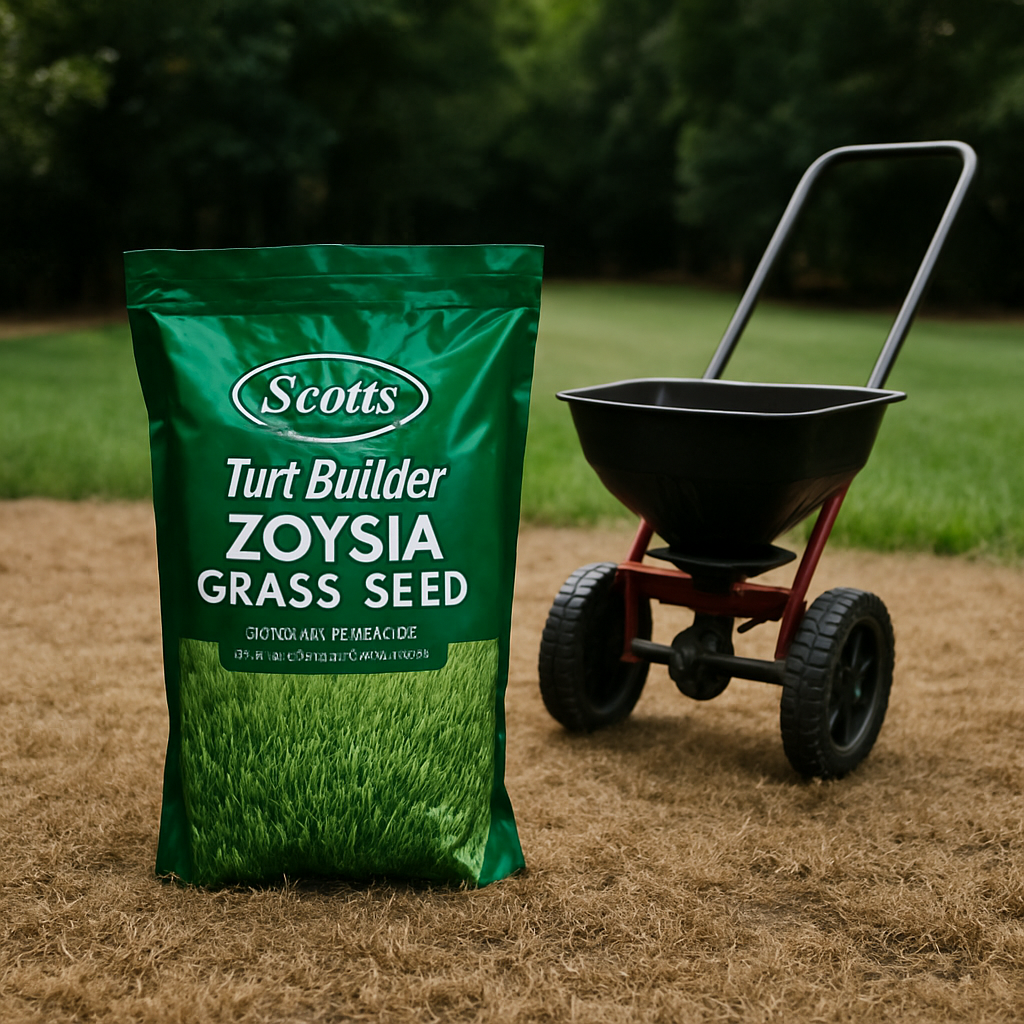
Understanding Scotts Turf Builder Zoysia Grass Seed Performance in Georgia
If you are considering a new lawn or want to rejuvenate an existing one in Georgia, Scotts Turf Builder Zoysia Grass Seed stands out as an excellent choice due to its impressive heat and drought tolerance, as well as a unique dormant period that helps it survive challenging southern conditions. This grass seed establishes a tough, durable, low-maintenance lawn that remains resilient during seasonal changes and is widely favored among homeowners for its adaptability and robust growth habit. Right up front: Zoysia grass seed is best known for thriving during long, warm Georgia months, going dormant with the seasonal shift, and outperforming most alternatives for sustainable, attractive turf in both sun and light shade (see product details).
The Dormant Zoysia Grass Period: What Happens and Why It Matters
During the colder months in Georgia, zoysia grass will naturally enter a dormant period, often turning a pale yellow or brown as it conserves energy. Unlike some grasses that struggle or die off entirely, Zoysia simply pauses, protecting its roots and re-emerging once temperatures stabilize. This dormancy is a vital attribute that separates it from other varieties like Bermuda or compadre blends.
The exact timing of dormancy varies, but typically Zoysia slows its growth in late fall and remains inactive throughout winter. During this period, lawn owners may notice their turf appears thinner or patchy compared to the lush coverage seen during the warmer seasons. This cycle is normal, serving as a healthy adaptation to the regional climate.
Zoysia's dormant coloration is not a sign of death or disease, but a natural response to reduced sunlight and cooler soil, making it an efficient and long-lasting grass for Georgia landscapes. Even if your lawn experiences a dormant appearance in the cooler months, rest assured it will recover quickly as spring temperatures rise.
How to Achieve the Best Seed Spread and Establishment in Georgia
Proper spread of Scotts Turf Builder Zoysia Grass Seed is essential for optimum growth habit and turf density. A well-executed seed pallet ensures even coverage, minimizes competition from weeds, and maximizes the turf builder's performance. Experts recommend using a reliable spreader to disperse the seed evenly over prepared soil, aiming for coverage of up to 2,000 sq. ft per 5 lb. bag (full specs found here).
Zoysia grass has a moderate to fast spread rate compared to conventional turf types. For best results, sow during the active growing season—usually late spring to summer—when soil temperatures favor fast germination. Keep the soil consistently moist during establishment but avoid excessive watering once roots take hold, as Zoysia is remarkably drought tolerant.
To promote uniform spread and reduce the appearance of patchy or overgrown spots, avoid overseeding or mixing with other grass types such as Bermuda. Stick with certified seed to ensure genetic purity and the best adaptation for Georgia's soils.
Comparing Zoysia to Other Turf Varieties and the Importance of Seed Origin and Certification
Zoysia's heat adaptation and growth habit give it a clear advantage over competing turf such as Bermuda, which may lack the same lushness or durability during periods of limited rainfall. While Bermuda is popular for sports fields, homeowners often find Zoysia preferable for family leisure time thanks to its finer, denser leaf texture and attractive appearance during peak season.
Choosing a certified Zoysia seed, as offered by reputable brands like Scotts, ensures that you are sowing a variety proven for performance, disease resistance, and consistency. Research shows that certified seed outperforms generic or non-certified counterparts in both establishment speed and long-term durability.
Origin matters, as Zoysia seed blends like 'Meyer' or 'Compadre' are specifically designed for growing in the southeastern US, particularly Georgia and Florida climates. Seed produced locally or regionally is better adapted to address the unique periods of drought, heat, and even cold dormancy found in this geographic area.
Tips for Managing Patchy Spots, Overgrown Areas, and Winter Lawn Appearance
Patchy or thin areas in a Zoysia lawn are often the result of inconsistent seed spread or uneven soil preparation. Address these by overseeding just before the main growing season and incorporating river sand or a thin topdressing to promote seed-to-soil contact. Water well to help germination, but be mindful of drainage so seeds do not wash away.
For overgrown lawns, regular mowing at the recommended height prevents thatch buildup and keeps the growth habit uniform. During the dormant period, avoid excessive foot traffic, which can damage fragile grass crowns beneath the surface.
To improve winter lawn appearance while the grass is dormant and may appear brown or yellow, consider using non-artificial mulch to retain soil moisture and shield roots from freezing temperatures. When warmer weather returns, a balanced fertilizer application helps revive lush green growth quickly, restoring your lawn's vibrant look.
Finally, always read reviews and compare products from multiple sources like Amazon and trusted lawn care retailers to select the best Zoysia grass seed for your landscape needs, ensuring a robust yard for every season.
By understanding Zoysia's seasonal behaviors and optimizing your lawn care practices, you can grow a thriving, attractive turf throughout Georgia's challenging climate.
Comments
Post a Comment