Crimson Clover Seeds: Planting Guide, Benefits, Best Planting Dates and Bulk Rate Tips
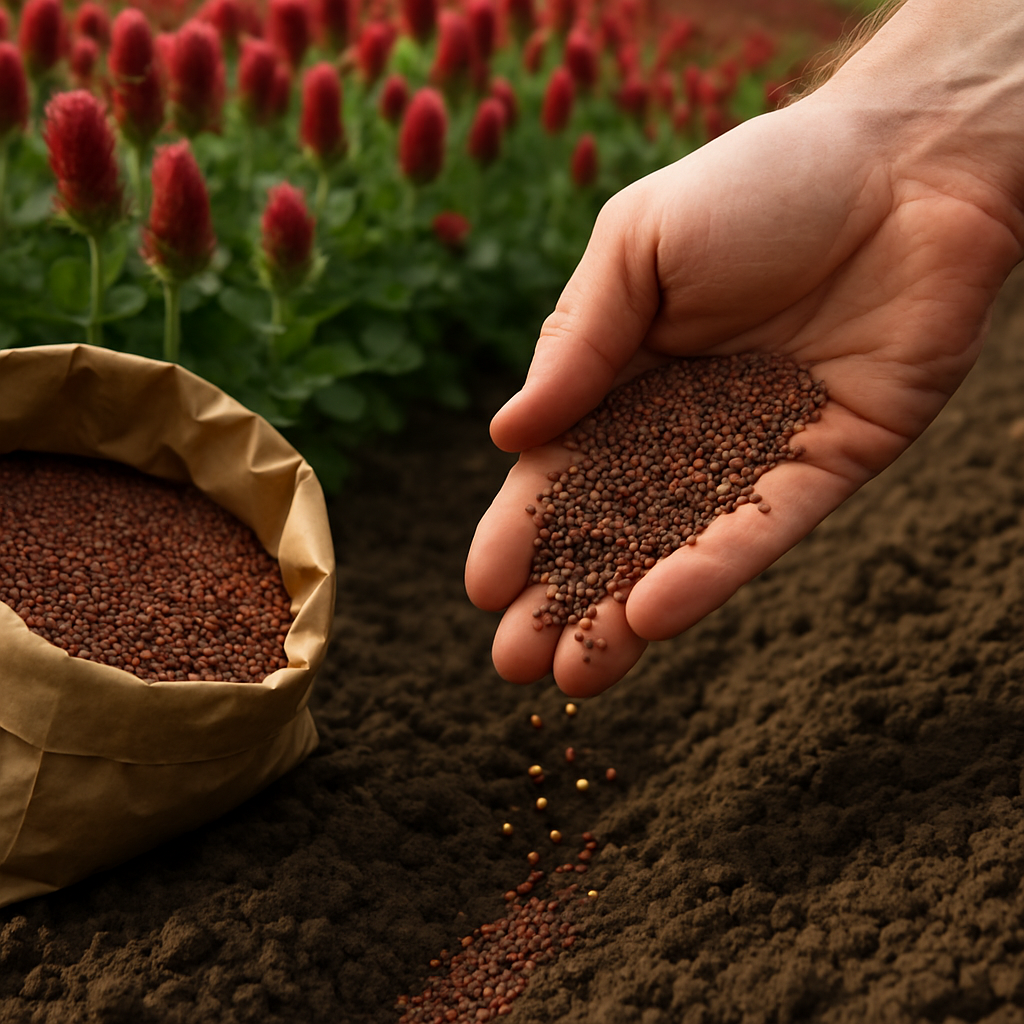
Crimson clover seeds offer gardeners and farmers a highly effective way to enrich soil, boost nitrogen fixation, and suppress weeds. When you understand the best planting dates, seeding rates (such as 50 lbs per acre), and how to buy crimson clover seeds in bulk, you can maximize the benefits of this adaptable cover crop. This comprehensive guide outlines optimal planting strategies and practical tips, so you can confidently add Trifolium incarnatum to your rotation and achieve the best results for your specific region and needs.
Choosing the Right Crimson Clover Seed: Identification, Size, and Bulk Rates
Before purchasing, learn how to identify genuine crimson clover seeds and understand their growth characteristics. Crimson clover seeds are typically larger than red clover seeds, and the plants grow with tall flower stems and deep crimson blooms. This species is well-suited for bulk seeding applications in large plots and fields.
For both commercial and personal uses, seeds are available in various bag sizes, including bulk purchases with rates commonly cited as 50 lbs per acre for effective ground coverage (MSU Extension). Buying in bulk not only reduces cost per pound but also ensures uniformity and availability for re-seeding or double cropping. Seed identification is crucial when choosing sources; look for reputable suppliers and verify the botanical name (Trifolium incarnatum) on packaging.
Some suppliers may offer crimson clover seeds pre-mixed with grasses like oats, which can further enhance weed control and green manure benefits. Always check the blend details before bulk purchasing to ensure suitability for your goals and planting system.
Bulk crimson clover seeds are commonly sourced from agricultural supply stores, online seed retailers, and sometimes local extension programs, offering both convenience and local adaptation advice. Ordering in advance, particularly in the spring and fall, secures your desired quantity for timely sowing.
Best Planting Dates and Zone Recommendations for Crimson Clover
Proper timing is essential for successful crimson clover establishment. The best planting dates for crimson clover vary by region. In northern climates like Michigan, most experts recommend sowing seeds in early spring or in the early fall after clearing short-season crops such as potatoes or snap beans (MSU Extension). Early fall planting allows crimson clover to establish a strong stand and overwinter in milder zones.
Southern growers can plant crimson clover seeds in the fall, allowing the crop to grow through the mild winter and bloom spectacularly in the spring. In general, the optimal planting window is when soil temperatures remain above 40°F (4°C), avoiding heat stress and maximizing moisture availability from fall rains or early spring thaws.
Crimson clover thrives in USDA hardiness zones 6 to 9, but it can be grown as a winter-killed annual in colder regions (Zone 5 and below), where residues left behind suppress spring weeds and add organic matter. Always check your local extension’s recommendations for precise planting window adjustments to your microclimate.
Late or early sowing can impact growth and reseeding success. Early planting improves winter survival, while timely fall seeding after short-season crops or winter wheat allows for full weed suppression potential before dormancy or snow cover arrives.
Benefits of Crimson Clover as a Cover Crop
Crimson clover brings numerous benefits to gardens and production fields. Its rapid, robust growth means it provides ground cover quickly, effectively outcompeting weeds, protecting soil from erosion, and supporting biodiversity. Its ability to fix atmospheric nitrogen improves soil fertility for the next crop cycle without the need for synthetic fertilizers (NRCS Fact Sheet).
The plant is shade tolerant, which makes it suitable for overseeding in row crops such as corn and soybeans, or using it as a permanent living cover in orchards. Crimson clover also has excellent reseeding potential, supporting sustained groundcover in suitable climates. Many growers appreciate its versatility, as it can be used after grain harvest, with vegetables, or mixed with fast-growing grasses for even more weed suppression.
Another important benefit is its showy crimson blooms, which are attractive to pollinators like bees. This helps to boost beneficial insect populations in the field and can support natural pest control strategies.
Seed Rate, Planting Depth, and Application Tips
The typical seeding rate for crimson clover is 15 to 20 lbs per acre when drilled, but when broadcasting seeds across a field (especially in rougher or minimally-tilled areas), a higher rate of up to 50 lbs per acre is often recommended for thick, uniform coverage. This dense stand maximizes weed suppression and improves soil conditioning effects (SARE).
Planting depth should be shallow: 0.25 to 0.5 inches deep is best. Good soil-seed contact ensures rapid germination and establishment. In clay or heavy soils, slightly shallower planting may help avoid seedling loss due to compaction. If planting in a mix, adjust depth so all species in the mix can emerge successfully.
Crimson clover can also be interseeded into standing crops or overseeded after harvest. Ensure adequate moisture is available for seed germination and initial establishment; supplemental irrigation may be beneficial during dry periods. Rolling or lightly harrowing after seeding can help press seeds into the seedbed and increase germination rates.
Regularly monitor the stand in the first month for uniform emergence and root vigor. Address potential weed pressure early and adjust future seeding practices based on observed stand density and performance.
Maintenance is minimal if the field is not overrun by perennial weeds. Crimson clover generally winters well in mild zones, but in colder areas, use its winterkilled residue as a spring mulch for subsequent crops.
Purchasing Crimson Clover Seeds: Where to Buy and Sourcing Tips
Buying high-quality crimson clover seeds from trusted sources is key to a successful cover crop. Agricultural supply companies, local farm co-ops, online seed retailers, and even some hardware stores stock Trifolium incarnatum seeds. Search specifically for 'crimson clover seeds for sale' or 'bulk crimson clover seed' to find options that fit your acreage requirements.
Compare seed quality, price, and available bag sizes—many growers source seeds in 50-lb increments to match standard application rates. Online platforms such as seed specialty stores or regional agricultural distributors often provide detailed seed test results, lot numbers, and variety origin information. Look for untreated or certified organic seeds if growing under organic management.
Connecting with local extension services or cover crop networks can also yield recommendations on reputable sources and practical sourcing tips. Bulk ordering with neighbors or gardening groups may further reduce costs and enhance purchasing flexibility, ensuring everyone has access to top-quality planting material.
Proper storage—cool, dry, and dark—preserves seed viability for future seasons, so be sure to secure leftover seeds accordingly. Field-tested recommendations from university extensions, such as MSU Extension, provide sound advice for ordering and using crimson clover seeds in a variety of settings.
Planting crimson clover seeds at the right time and rate, and sourcing them from reliable suppliers, maximizes their benefits for soil fertility, weed suppression, and sustainable land management.


Comments
Post a Comment