Blue Waffle Disease Pictures: Real Facts About Zoysia Grass Diseases and Lawn Rust
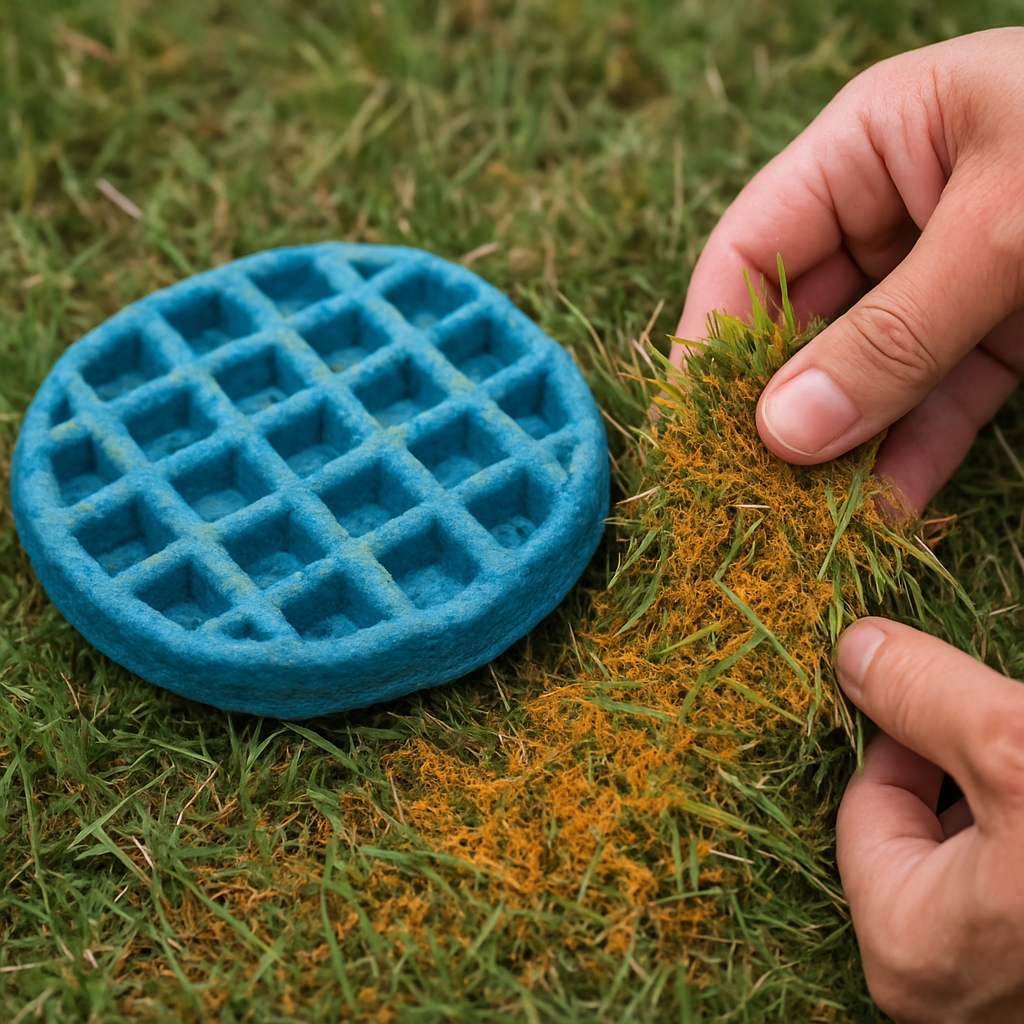
If you have been searching for 'Blue Waffle Disease Pictures' in the context of lawn care or gardening, it is important to clarify that this term does not relate to any authentic turfgrass disease. Instead, lawn owners dealing with peculiar patches, rust, or other discolorations in their Zoysia grass may find legitimate answers by looking into actual turfgrass diseases, including dollar spot, rust, and large patch disease, which are sometimes misunderstood or misidentified. This article provides factual insight into documented Zoysia grass diseases, including how to recognize them, preventative methods, and reliable resources for accurate identification.
Identifying Patch and Discoloration in Zoysia Lawns
One of the most confusing aspects for homeowners is distinguishing real lawn diseases from internet myths or visually similar, but unrelated, fungal issues. For instance, Zoysia grass can be affected by large patch disease, appearing as circular brown or orange dead spots that spread across the turf. Given the persistent folklore around terms like 'Blue Waffle Disease,' it is vital to trust only evidence-backed guides for disease identification.
Large patch disease is caused by Rhizoctonia solani and can severely impact Zoysia lawns as the weather cools (with soil temperatures between 65°F and 75°F). Symptoms typically appear as widespread brown or orange patches in autumn or early spring, especially during periods of high humidity. Mislabeling these authentic turf symptoms as mythological diseases can delay real treatment.
Local experts strongly recommend careful visual inspection and reliance on science-based guides. Reference images and authoritative content from institutions such as the University of Florida can help you distinguish real lawn diseases from internet rumors. You can compare authentic images and details at the University of Florida's IFAS Extension website.
How Rust and Dollar Spot Impact Zoysia Grass Health
Another common visual concern in Zoysia lawns is rust, which typically presents as tiny yellow, orange, or reddish-brown pustules on grass blades. Rust develops during periods of mild, humid weather. These symptoms can be mistaken for other problems, so correct identification is essential to applying the appropriate fix. Often, rust can be managed simply by routine mowing and clipping removal.
Dollar spot disease, by contrast, appears as small, tan-colored lesions (roughly the size of a silver dollar) and tends to emerge when nitrogen levels in the soil are too low. Correcting nutrient balance through light, targeted nitrogen application usually resolves the issue. Both conditions are manageable; however, recognizing their typical patterns is crucial for remediation and prevention.
Visual cues such as the color, size, and location of diseased patches or lesions help differentiate these true Zoysia-specific problems from the vague results that come up when searching for unverified terms. For additional guidance and to view sample images, consult educational pages like UF/IFAS.
Many internet images and titles purport to show 'blue' or unusual lawn diseases, but most turfgrass experts agree these are misinterpretations or outright myths unrelated to verifiable agronomy.
Prevention and Proper Treatment of Common Lawn Diseases
The most effective defense against turfgrass diseases is a combination of good maintenance practices and vigilant observation. For Zoysia lawns, this means:
- Avoiding excessive watering, which can create ideal conditions for fungal growth.
- Maintaining balanced nutrition, especially nitrogen and potassium levels, to strengthen turf.
- Removing lawn thatch (greater than ½ inch thick) which can harbor fungal spores. Learn more about how thatch contributes to disease risk at the Missouri Botanical Garden's Zoysia Lawn Problems Guide.
- Mowing frequently and at the correct height to improve air circulation and reduce moisture retention on grass blades.
When symptoms do appear, applying fungicides may sometimes be helpful but is rarely the sole solution. Non-chemical practices like aeration, overseeding, and proper mowing schedules usually prove more sustainable in the long run. Utilizing extension service guides ensures the most up-to-date, research-backed recommendations for your specific situation.
Following the advice of experts and using only authoritative sources for disease identification can prevent unnecessary panic and the misapplication of products or treatments.
Myth Busting: Debunking the Blue Waffle Misconceptions About Lawn Fungi
Internet searches for 'Blue Waffle Disease Pictures' often lead to a variety of hoaxes, doctored images, or clickbait that have no bearing on actual plant pathology. Zoysia grass, like all turf species, is susceptible to verifiable conditions—not mysterious blue fungi. The dangers of misidentification include treating the lawn for the wrong condition, wasting time or money, and potentially worsening underlying problems.
Instead of relying on viral images or misleading titles, use clear, peer-reviewed photo guides from trusted sources. Some online platforms provide genuine visual comparisons for authentic lawn diseases, helping you distinguish between nutrient disorders, fungal patches, rust, and harmless lawn discolorations caused by factors such as improper watering or weather.
Problems like large patch disease and rust have well-documented symptoms and management strategies. If you suspect your lawn is displaying unusual symptoms, take close-up images and compare them directly with educational resources instead of internet memes or unverified material.
If further diagnosis is needed, consider contacting your local agricultural extension or turfgrass specialist who can analyze physical samples and provide precise recommendations. This process helps prevent confusion between substantiated lawn problems and internet fabrications.
Getting Reliable Help: When to Seek Lawn Disease Guidance
If you are unsure whether you are facing Zoysia rust, dollar spot, large patch disease, or simply seasonal turf changes, the best recourse is to seek out professional guidance. Most university extensions and reputable botanical gardens maintain excellent visual resources, photo libraries, and detailed descriptions to compare symptoms on your lawn.
Additional sources, such as the Turf Masters' Lawn Care Zoysia Patch Fungus Guide, thoroughly discuss the true appearance, timing, and recovery expectations for common turf fungi. These resources help clarify doubts and allow you to develop a proactive care plan based on proven science and real photographic evidence.
When in doubt, gather visual observations, take notes on timing and weather conditions, and consult these resources before adopting any drastic measures or following sensationalized online content.
Relying on trustworthy, science-based recommendations will always be the most effective way to diagnose and manage Zoysia grass problems, keeping your lawn healthy and free from preventable disease.


Comments
Post a Comment