Sustainable Landscaping and Gardening: Smart Lawn Care, Green Design, and Eco Practices
Understanding Sustainable Landscaping: What It Is and Why It Matters
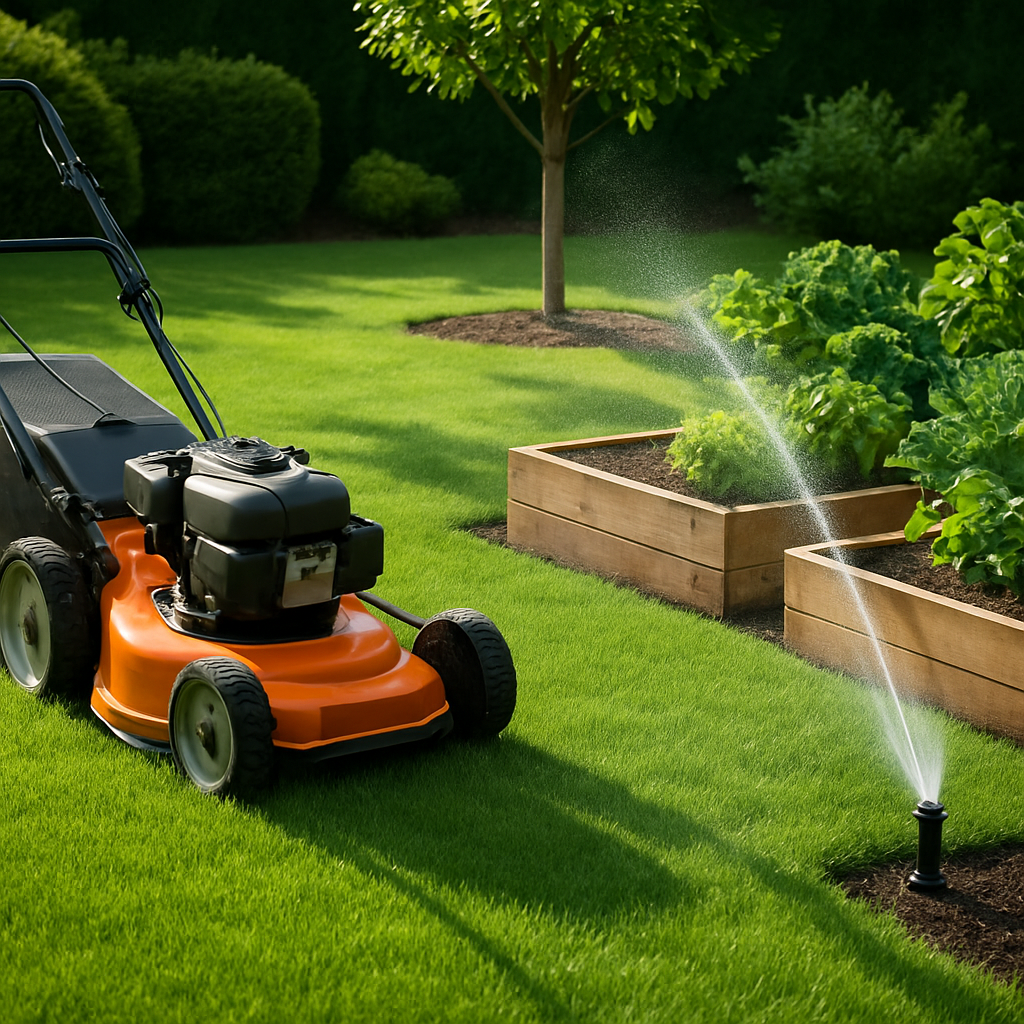
Sustainable landscaping is an approach to gardening and lawn care that actively reduces environmental harm while creating beautiful, functional outdoor spaces. This method focuses on conserving resources, protecting local ecosystems, and supporting sustainable development by encouraging practices like water-wise garden design, choosing plants suited to your environment, and minimizing waste. If you're searching for truly green landscaping near me or reliable lawn care companies that are committed to sustainability, this method is becoming the gold standard. Not only do sustainable practices ensure your outdoor areas thrive with less intervention, but they also help protect the environment for future generations.
Eco-Friendly Lawn Care Techniques for Long-Term Maintenance
Effective lawn care is about more than just achieving a lush, green appearance—it's about supporting soil health, reducing chemical runoff, and curbing water usage. One foundational principle of sustainable gardening is matching plant and turf choices to your climate. Grasses and plants naturally suited to your region require less irrigation and resist local pests, which reduces dependence on synthetic fertilizers and pesticides. Integrated pest management, a core sustainable method, targets pest problems through biological controls or manual removal before ever turning to chemical treatments. Composting also plays a significant role. By recycling yard clippings and organic household waste, you return nutrients to your lawn naturally, improving soil structure and resiliency against drought or disease. For beginners or even those looking for tips for dummies, the best step is to start replacing small sections of your yard with low-maintenance, native vegetation that supports biodiversity and requires fewer resources overall.
If you’ve ever wondered how to make a garden sustainable, or if you've looked for vegetable garden ideas that won't strain your water supply, the move toward pure organic gardening is key. While the transition may require patience, the long-term reduction in maintenance and water usage results in a self-sustaining landscape that benefits your property and the wider ecosystem. Even landscape design professionals highlight these eco-friendly changes as the future of garden care.
Professional lawn care services are adapting, too. Many reputable landscape maintenance companies now offer plans that incorporate perennial and native plants, reduce turf areas, and focus on organic soil amendments, minimizing the environmental impact while producing healthy foods or attractive garden beds.
Sustainable Garden Design Principles: From Planning to Practice
Successful sustainable landscape design begins with an honest assessment of your space. Analyze sunlight, drainage, and soil type before selecting any plants. These steps matter whether you’re growing a large vegetable garden, maintaining a small patch of turf, or introducing container gardening methods suitable for compact spaces. As you lay out your landscape, group plants based on their water and light requirements. This technique, called hydrozoning, ensures you’re not overwatering areas that don’t need it and makes maintenance easier for everyone from beginners to master gardeners. A well-designed landscape reduces the need for supplemental irrigation, especially when you blend xeriscaping elements—ideal for regions subject to drought or water restrictions.
Designing with sustainability in mind also means paying attention to the site’s microclimates. Positioning shade trees to naturally cool your home can lower summer energy costs, while installing windbreaks protects more delicate plants from harsh conditions and reduces heat loss in winter. For institutions like schools, landscape design can be a powerful teaching tool, highlighting sustainable methods and environmental stewardship as part of the curriculum. Multiple case studies show that even elementary and high schools benefit from outdoor classrooms that double as sustainability demonstration gardens.
Choosing the right materials is just as essential. Hardscaping with permeable pavers, recycled content, or sustainably harvested wood minimizes your project’s ecological footprint. Collaborate with landscape architect firms that understand green architecture principles and can guide you in balancing aesthetics, practicality, and eco responsibility.
Organic Gardening Techniques: From Composting to Integrated Pest Management
Organic gardening is inseparable from sustainable landscaping practices. By forgoing synthetic fertilizers and pesticides, you foster healthier soils that store carbon, support pollinators, and yield better long-term results. Composting transforms kitchen and yard waste into nutrient-rich amendments, closing the loop on organic matter and reducing landfill load. Healthy soil teems with beneficial microbes and invertebrates, encouraging resilient plant growth and suppressing disease naturally. To keep pests in check, integrated pest management combines multiple tactics—attracting beneficial insects, hand-picking pests, and using physical barriers before considering organic-approved sprays. This holistic approach not only reduces chemical exposure for people and pets but safeguards the broader environment from harmful runoff.
- Choose the right plant for the right place: When you match plants to their preferred growing conditions, you dramatically reduce the need for watering, fertilizers, and pest controls. Take time to select species that suit your garden’s climate and soil for a low-maintenance foundation that supports both beauty and sustainability.
- Practicing crop rotation and succession planting: In vegetable gardens—whether raised beds, containers, or in-row—rotating crops minimizes pest buildup and preserves soil nutrients. Succession planting keeps your soil covered and productive year-round, a principle that benefits both the home garden and larger institutional landscapes.
For anyone pursuing certification or even a sustainability degree in landscaping, hands-on mastery of these organic methods is essential. Training ranges from short courses to university studies, giving landscape professionals a solid grounding in science-based, ecologically responsible gardening practices.
Resource Conservation: Water-Wise Gardening and Turf Alternatives
Perhaps the most immediate benefit of sustainable landscaping lies in its water-saving potential. Xeriscaping, or water-wise gardening, emphasizes drought-tolerant plants, mulching, and efficient irrigation techniques such as drip systems. In dry climates, reducing traditional turf areas in favor of ground covers, native grasses, or even food-producing beds dramatically cuts irrigation needs. Not only does this lower your water bill, but it also helps conserve precious community water supplies.
Mulching is another essential practice, both for weed suppression and moisture retention. Organic mulches break down to enrich the soil, while strategic use of hardscape elements channels water to where it’s most needed and curbs stormwater runoff. Local climate data, such as a heat map, can guide plant placement and selection, ensuring optimal performance season after season.
For larger properties—community gardens, school grounds, or public parks—the move away from high-maintenance turf to more sustainable alternatives is accelerating. These projects not only demonstrate what is possible but reinforce why sustainable gardening is important for protecting local watersheds, improving soil health, and sustaining biodiversity.
Education, Certification, and Careers in Sustainable Landscaping
The growing emphasis on sustainable landscaping has prompted new opportunities for education and professional development. From online certification programs to degrees offered by specialized institutes, students and working professionals can build a skillset focused on landscape planning, sustainable design, and organic practices.
Schools at all levels—elementary through university—are increasingly incorporating sustainability plans and demonstration gardens. These projects provide hands-on learning, reinforce the benefits of sustainable gardening, and prepare students for green jobs in landscaping, garden maintenance, urban planning, and related fields. Beyond formal education, lawn care companies and landscape architect firms are seeking designers, consultants, and maintenance experts fluent in eco-friendly practices, with corresponding increases in certificates, salaries, and career growth.
Whether you aim to launch a new business, join an established landscape design team, or simply transform your home garden, pursuing advanced courses and staying informed about evolving best practices ensures your approach remains both practical and environmentally sound.
Why Sustainable Gardening Is Important: Benefits for Health, Community, and the Planet
Sustainable gardening extends benefits far beyond your property line. Gardens and landscapes planned with sustainability in mind support pollinators, foster healthy soils, and offer fresh, safe foods. On a community level, they help manage stormwater, reduce heat islands in urban areas, and promote wellness by connecting people with nature—a vital lesson for both schools and the general public.
Green landscaping practices are an important part of protecting the environment, maintaining livable cities, and adapting to changing climates. Whether employed by a professional landscape designer or adopted at home, these methods make a measurable difference, offering a practical path to balance beauty, utility, and environmental care. For more on foundational concepts and best practices, see reputable references like these guides to sustainable landscaping as well as insight from modern landscape design professionals here.
Making the transition to sustainable landscaping and gardening may take time, but every step brings tangible rewards for your garden, your community, and the earth itself.


Comments
Post a Comment