Simple Gardening Techniques and Tips for Beginners: Ideas for Kids, Preschoolers, and Families on a Budget
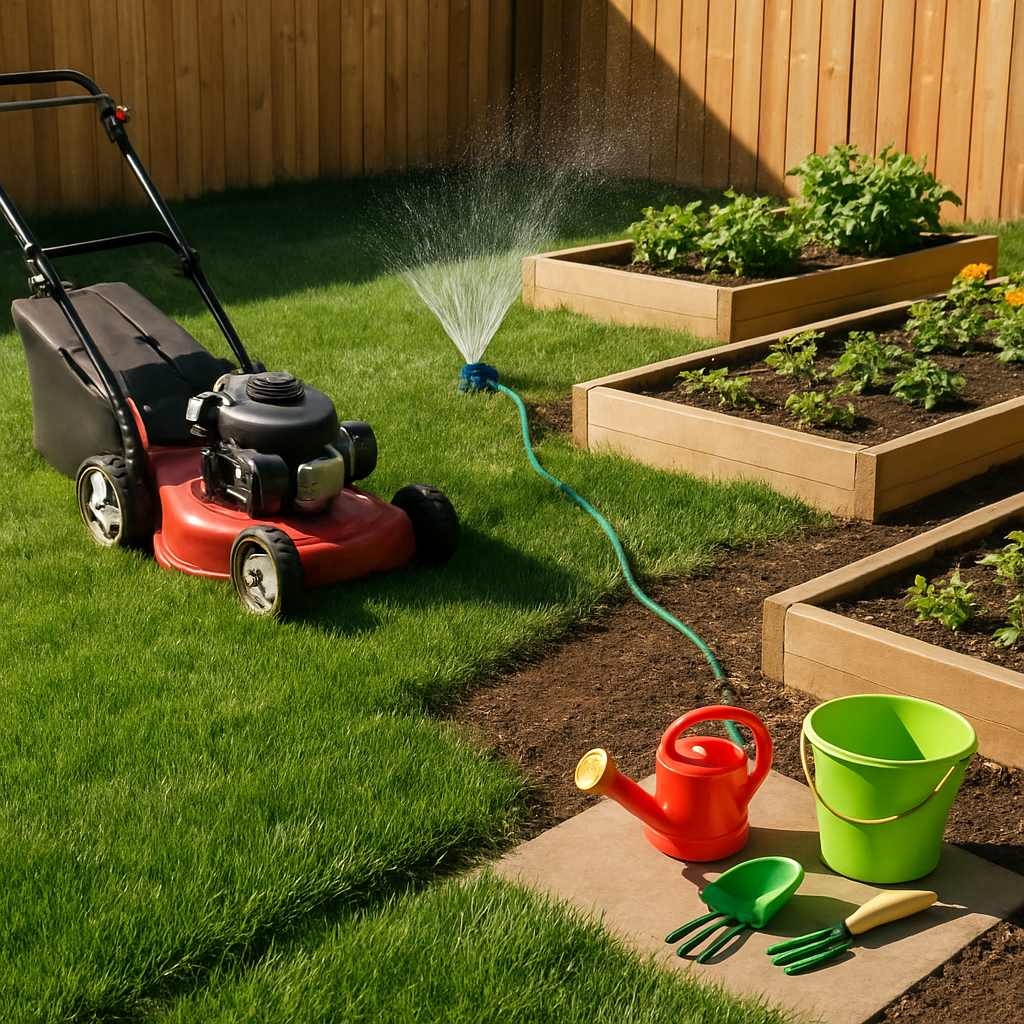
Start Simple: Gardening Techniques and Activities for Beginners, Kids, and Families
Gardening isn’t just about growing vegetables or flowers—it's an easy, rewarding way for beginners, children, and entire families to connect with nature and each other. If you’re new to gardening, starting with simple techniques and fun activities is the fastest way to see your garden flourish. Whether your goal is to grow healthy vegetables at home, create an inviting garden area for kids, or simply experiment with backyard ideas on a budget, straightforward methods and creative approaches can lead to great results. Read on as we explore accessible gardening tricks, support child development, and share realistic tips for all ages, including toddlers, preschoolers, and high school students.
Simple Gardening Techniques: Laying the Groundwork for Beginners and Kids
Getting started with gardening doesn’t require professional tools or exclusive knowledge. Focus on easy steps: choose a sunny spot in your yard or use containers if space is limited. Good soil, regular watering, and simple seed selection are the fundamental building blocks. For children, letting them pick fast-growing plants—like radishes or sunflowers—keeps them interested as they see quick growth and results.
As young gardeners help dig, plant, and water, they build fine motor skills and gain a sense of achievement. Preschoolers can participate by sorting seeds or painting garden markers, transforming simple gardening activities into hands-on learning. According to Wikipedia’s concise description, gardening's scale ranges from grand landscapes to indoor container setups, making it inherently adaptable to any home, classroom, or outdoor setting.
While gardening techniques can be as diverse as the families who practice them, beginners benefit from sticking with a few core principles: use easy-to-grow plants, start small, and engage kids with tasks they can master (like watering or harvesting). This approach is budget-friendly and builds confidence—qualities that make gardening sustainable and rewarding for everyone.
Creative Garden Ideas on a Budget: DIY Projects and Fun for All Ages
Making your garden appealing doesn’t have to mean spending a lot. DIY techniques—such as upcycling household containers for planters, creating rock gardens, or arranging a child-friendly fairy garden—encourage creativity without strain on your wallet. Even simple changes, like designing garden paths with painted stones or repurposing pallets into vertical vegetable beds, can breathe new life into your outdoor space.
For families, these projects can also serve as weekend activities and foster teamwork. Young kids and toddlers love sensory-rich environments: a small sand or rock area, decorated with natural objects, provides a safe, engaging space for play. For high school students, larger projects like building a backyard compost bin or designing a themed garden area (such as a dog-friendly zone or a rock den) can build responsibility and teamwork, while integrating science concepts they may learn in school.
Even with limited funds, you can create inviting corners and organized yard spaces using ideas sourced from trusted gardening resources and Pinterest DIY inspirations. The key is to focus your efforts on projects that deliver the most joy and usefulness for your family, rather than expensive, high-maintenance features.
Free Gardening Activities for Preschoolers, Toddlers, and Kids
Young children thrive on tactile experiences. Classic activities like digging, planting seeds, and watering provide not just entertainment but crucial developmental benefits. Simple garden games (like scavenger hunts for leaves or bugs), short daily planting tasks, and maintaining a designated kid garden area help develop patience, observation skills, and responsibility.
Preschoolers especially enjoy themed gardens. You can create fairy gardens with miniature plants and figurines, or set up a sensory zone filled with herbs and flowers for them to smell and touch. These small-scale projects blend play with learning and do not require professional expertise or major investment.
For lasting engagement, encourage kids to track plant growth, draw their garden, or help with small design choices. These activities not only make the process fun, but also help children build an appreciation for life’s cycles and growth essentials—directly supporting their intellectual and sensory development.
Quotes, Games, and the Social Side of Gardening
Gardening often brings people together. Using inspirational quotes about patience, growth, and nature can set a reflective or playful mood in a child’s garden. Displaying them on painted rocks or in the garden area helps remind everyone—adults included—of gardening’s deeper benefits.
Organizing simple garden parties or games connects families and friends for themed days focused on planting, harvesting, or simply enjoying the outdoors. Activities like relay planting races, fairy garden creation contests, or “find the flower” games for young children boost both fun and learning. Older students might enjoy planning class gardens or joining outdoor gardening classes, making it a social, collaborative experience.
These group activities instill a sense of shared responsibility and foster long-term interest in planting and nature. Celebrate achievements with a garden party or mark significant growth milestones with a dedicated "Garden Day" to recognize kids' efforts—turning small gardening wins into memorable family traditions.
Support for Growth: How Gardening Helps Children Develop
The simple act of gardening supports children’s holistic development. Working with soil and plants encourages bone health through outdoor play, strengthens fine and gross motor skills, and builds essential life vision by connecting them to natural cycles. Children see first-hand how patience and consistency lead to results—a lesson with benefits far beyond the garden fence.
Actively gardening with kids—whether in a small backyard area, through a local class for adults and children, or just in pots on a balcony—encourages healthy eating, self-confidence, and curiosity. They observe the essentials for plant growth (sun, water, care) and begin to understand biological processes without formal lectures.
As children watch tiny seeds grow into vibrant plants, they experience growth and change in ways that reinforce how nurturing, persistence, and teamwork can yield meaningful outcomes. The science and art of gardening add layers of learning—blending hands-on activities with knowledge that can last a lifetime.
Gardening remains a timeless, inclusive, and endlessly adaptable practice—perfect for beginners, kids, and lifelong learners seeking growth in every sense of the word.


Comments
Post a Comment