Lawn Aeration Rental: Best Machines, Electric Tools, and Overseeding Tips Explained
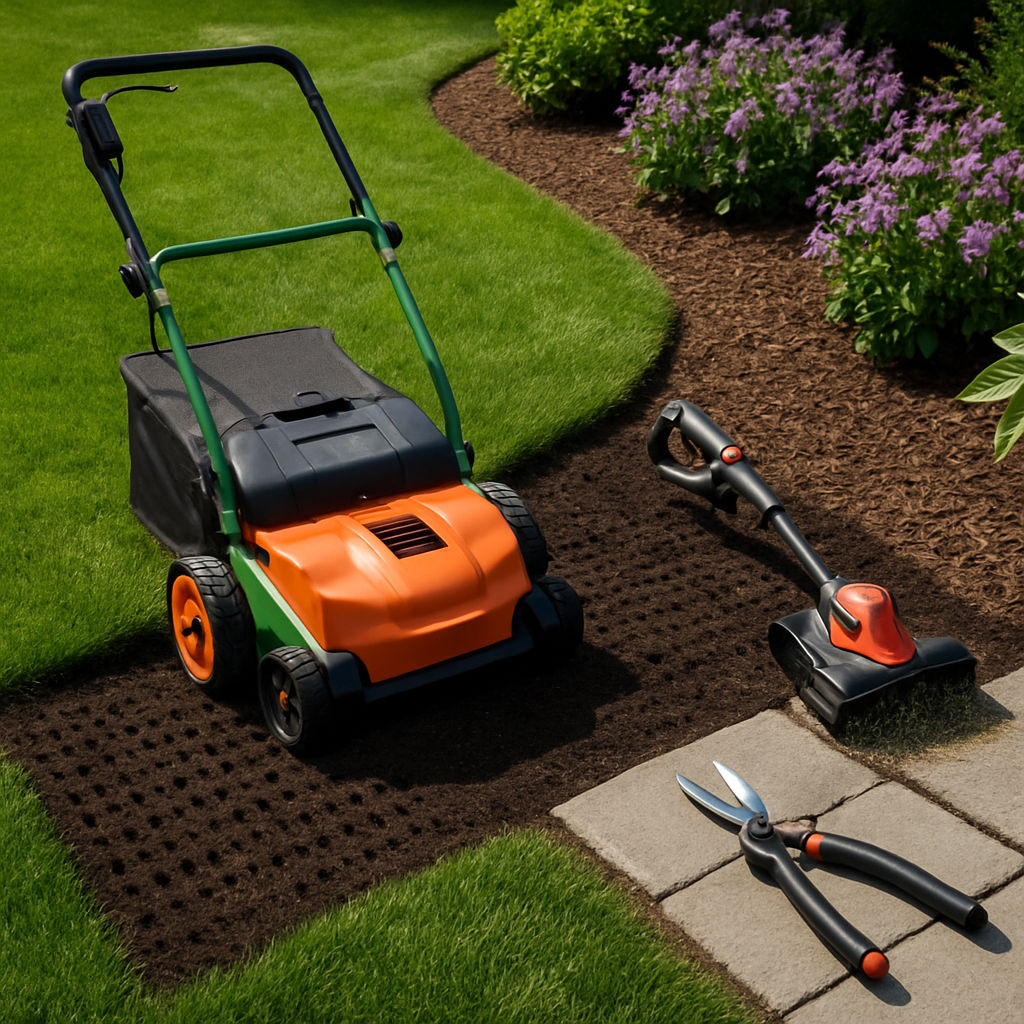
Renting a lawn aerator is the most effective and budget-friendly solution for homeowners wanting to revitalize compacted soil and promote thick, healthy grass. Whether you are struggling with hard ground, high-traffic patches, or planning to overseed, using the right aeration machine is key. This article covers everything you need to know about lawn aeration rentals: from finding the best equipment—including electric and core plug models—to techniques for successful overseeding and maximizing your results.
Understanding Aeration Equipment Rental Options
Choosing the right aeration machine rental is critical, as not all devices perform the same job. Basic types include spike aerators, which poke holes into the soil with solid tines, and core plug aerators, which remove cylinders of soil and are better for breaking up compaction. Core aerators are widely recommended for thorough results when used on lawns with dense clay or heavy foot traffic.
For smaller yards, manual and shoe spike tools may suffice, but renting a powered core aerator offers the quickest and most effective approach. Many local providers and national hardware chains—such as Home Depot and Sunbelt Rentals—offer half-day and full-day rental rates on both gas-powered and best electric models.
Before renting, always check the working width, power supply needs, and transportation requirements for the aerator. Ask if pickup, delivery, and support are included in the price, and make sure you can safely operate the unit on your yard's terrain.
Rented aerators tend to be larger and heavier than most personal-use devices, so inquire about ease of use if this is your first time. Many stores offer demonstrations before you leave the premises.
Key Features of Professional and Electric Lawn Aerators
Electric lawn aerator rentals are gaining popularity for their quiet operation, lower vibration, and environmental benefits compared to gas models. They are ideal for smaller lawns or homeowners who prefer to avoid fuel handling, but may not penetrate deeply in severely compacted areas.
Professional core plug aerators remain the go-to for tackling large properties, dense thatch, or extremely hard spots. These machines typically provide adjustable tine depth, wider working paths, and robust construction to withstand heavy use. Their performance makes them suitable for prepping lawns before overseeding or major fertilizing projects, ensuring nutrients penetrate deeply.
Rental units often come with features like adjustable handle heights, removable weights for extra pressure, and easy-to-clean cores. Some commercial-grade versions allow for transport behind a riding mower or lawn tractor, which is perfect for clients managing expansive landscapes.
For those wanting a lightweight solution, electric aerators offer powerful plug extraction in a smaller package. While not as aggressive as gas-powered professional units, they are perfect for repeat spring or fall treatments on average-sized residential lawns.
How to Prepare Your Lawn for Aeration and Overseeding
Proper preparation is key to making the most of an aeration rental. Mow your lawn to a lower height—about 2 inches—before the scheduled date, and thoroughly water the area the night prior to soften the soil and enhance penetration. Remove any obstacles, debris, or thick layers of leaves to avoid machine blockage during the process.
- If you plan to follow aeration with overseeding, buy high-quality seed blends suited for your region.
- Mark sprinkler heads, in-ground lighting, or shallow wiring to prevent accidental damage from deep coring tines.
After aeration, leave soil plugs on the surface; they will break down naturally, returning nutrients to the lawn. Overseed immediately post-aeration, as the freshly opened holes offer the perfect environment for seed-to-soil contact and nutrient absorption.
Avoid heavy traffic on your lawn for a week after overseeding, and water lightly but frequently until seedlings establish strong roots. This ensures your efforts with the rented aerator lead to maximum germination rates and healthy new growth.
Pricing, Sizing, and Where to Find Lawn Aeration Rentals Near You
Rental costs for lawn aerators vary based on machine type, duration, and region. Generally, expect to pay between $40 and $100 for a four-hour rental period, with discounts for a full-day or weekend use. Powered core plug units are usually at the higher end of the range, while lightweight or electric models may be the cheapest option for small jobs.
To get the best price, compare rental rates from local suppliers and large chains like Home Depot, Lowe's, and Sunbelt. These stores often list their currently available inventory, machine specs, and reservation systems online. For the most efficient process, book in advance during peak spring and fall seasons.
If you need lawn aeration on a regular schedule, consider whether buying a used aerator or sharing costs with neighbors makes more sense than repeat rentals. To estimate your total rental need, measure your lawn's square footage and use a seeding calculator if you intend to overseed at the same time.
Operators who prefer a hands-off approach can also choose a local professional service instead of DIY rental. Calculate the cost per square foot to compare with rental and overseeding costs for the best value.
For more comparison details, you can consult recent reviews and pricing guides from trusted sources like The Spruce.
Timing Your Rental: When and How Often to Aerate for Optimal Results
The best time to rent a lawn aerator is during your grass's peak growing season. For cool-season lawns, target early fall or spring for maximum recovery and growth. Warm-season grasses benefit most from late spring or early summer aeration. Try to avoid aerating in extreme heat or drought, as grass may struggle to recover.
Most lawns need aeration once annually, but heavily compacted soils or previously neglected yards may benefit from biannual treatments. If overseeding, synchronize both activities so new grass can establish as soon as possible after core holes are created.
Avoid aerating when the ground is frozen, saturated, or muddy, as machines can cause ruts or damage the turf. Schedule rentals for days with mild, dry weather if possible, and always follow the recommendations provided by your equipment supplier.
For detailed advice on ideal aeration schedules by region and soil type, refer to resources offered by Briggs & Stratton.
Understanding these timing and technique nuances ensures you get the most out of your lawn aeration rental investment.


Comments
Post a Comment