Hibiscus Plant Diseases Pictures: Identification Guide for Red, Yellow, and White Leaf Fungus
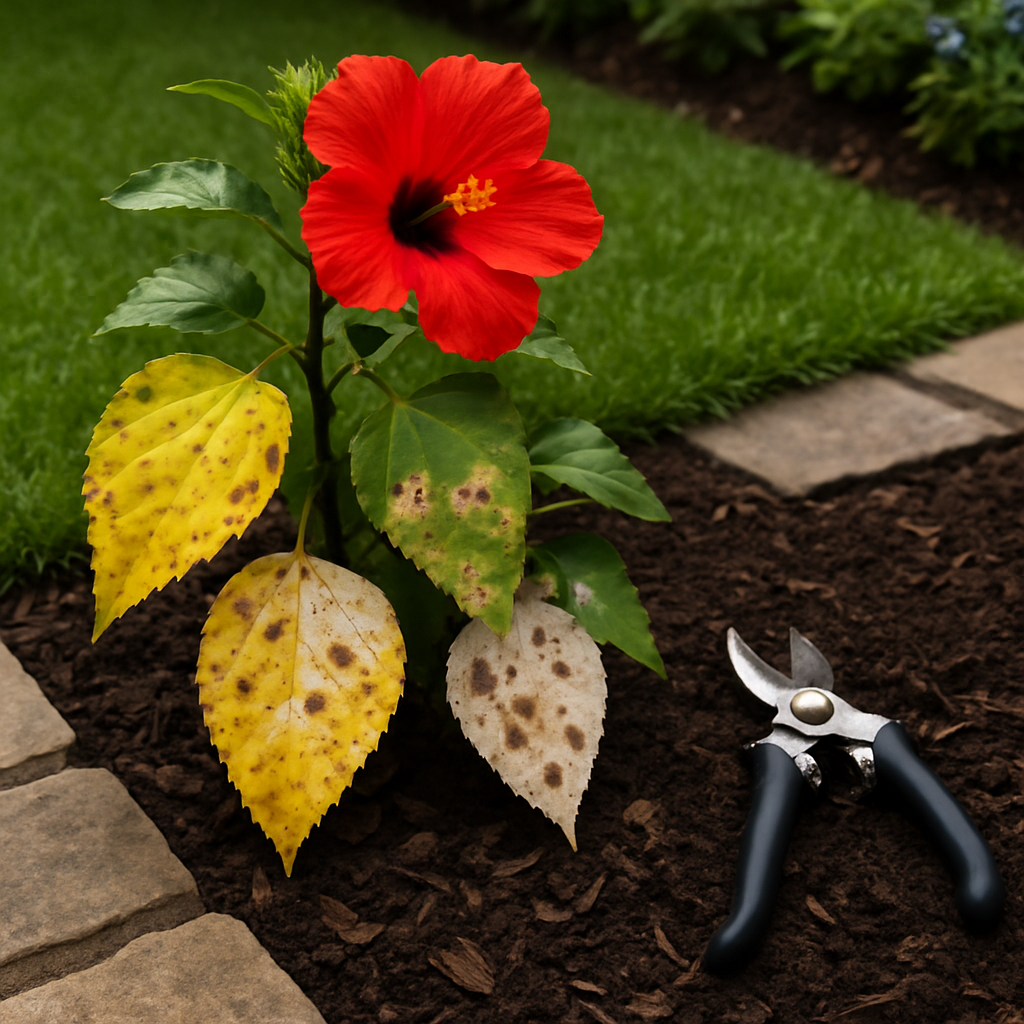
Recognizing and Treating Common Hibiscus Leaf Issues
If you are searching for hibiscus plant diseases pictures to help identify problems like red, yellow, or white leaf fungus, you are not alone. The most frequent culprits of unsightly leaves are fungal and bacterial infections that thrive in moist, cool conditions, especially during winter when leaves remain wet for extended periods. Quick identification using accurate images and descriptions is the first step in successfully treating these conditions and preventing further damage to your hibiscus at home.
Diseases can show up as spots, discoloration, or growths on leaves and stems. Knowing what symptoms to look out for—and how to respond—will help you keep your hibiscus thriving indoors or outdoors. Below, you will see what these problems look like, pictures to aid your identification process, and straightforward remedies, such as using neem oil, that you can apply right away.
Symptoms and Visual Signs: What Diseases Look Like
Several distinct symptoms can alert you to disease on your hibiscus. One of the most common is yellowing leaves, often caused by a bacterial or fungal infection. Look for random patches of yellow, sometimes with a halo of darker color around the edges. Another classic sign is black spots or splotches, which may be raised or sunken, often indicating a severe fungal problem. Red or reddish-brown blotches might also appear, especially in very humid conditions, pointing to specific types of leaf spot fungi.
Unusual white growths, such as powdery or fuzzy patches, suggest powdery mildew is active. This fungus begins as small white spots and eventually covers foliage, sometimes stunting plant growth. Check flower buds for browning, shriveling, or premature drop, as diseases can affect these too. Photographs from reliable resources help match your plant's condition with expert diagnoses. For detailed visuals and explanations, refer to this hibiscus leaf fungus resource.
Sometimes, stem discoloration or black lines indicate root-invading fungi, while clusters of small, dark, or white dots point toward bacterial blight. Leaves may curl, deform, or drop off prematurely, especially in persistent dampness. If symptoms persist, taking comparative photographs will aid experts in helping you further.
Understanding Leaf Fungus: Causes and Life Cycle
Leaf fungus is typically the result of environmental stress combined with excess moisture. Diseases flourish when hibiscus leaves are frequently wet—often due to overhead watering or poor air circulation. Winter encourages these conditions, and as a result, you might see a sudden increase in yellowing or spotted leaves. Spores land on the moist surface, germinate, and penetrate the plant, encouraging rapid spread if not checked quickly.
Several fungal species target hibiscus. Powdery mildew, recognized by its white, dusty coating, thrives during cool, dry weather but needs just a little leaf wetness to get started. Target spot and Cercospora leaf spots create dark, circular areas, often rimmed with red or yellow. Overhead irrigation or persistently wet weather accelerates the life cycle of these pathogens.
Bacterial infections, similar in appearance, also benefit from wet foliage. Splashed soil or proximity to infected plants are common transmission routes. For additional reading on fungal types and early detection, see this hibiscus diseases guide.
Understanding these cycles helps you know when your plants are most vulnerable—especially indoors or in low-light, high-humidity environments. Being proactive by checking leaves and stems regularly ensures fungi are caught and treated early.
Effective Identification Methods Using Pictures
High-quality images are invaluable for accurately diagnosing hibiscus leaf problems. Compare your plant's symptoms to diagnostic pictures that highlight color changes, texture differences, and fungicidal residue patterns. Reliable online resources provide close-up photographs of powdery mildew, black spotting, yellow halos, and even stem infections, making them essential tools for home gardeners.
- White fungus: Appears as powdery or fuzzy white patches, often on leaf surfaces.
- Red blotches: Indicate advanced fungal disease, commonly in humid, shaded environments.
- Yellowing with spots: Frequently signifies bacterial blight or early-stage fungal intrusion.
- Black spots on flower buds: Occur in severe cases, sometimes leading to bud drop.
Examining the tops and undersides of leaves under bright light can reveal subtle early signs. If unsure, compare findings with up-to-date plant disease pictures. This step lets you select the best-matched treatment before further symptoms develop.
Do not hesitate to document your plant's progression with your own photos, tracking changes over time. Combining visual evidence with expert advice leads to more accurate home remedies and faster recovery.
Best At-Home Treatments for Leaf Fungus and Spots
Once you confirm the presence of leaf fungus or bacterial infection on your hibiscus, immediate intervention is crucial. Begin by removing and safely discarding any heavily infected leaves or stems to prevent further spread. Adjust your watering routine—always water at the base, never over the leaves, especially indoors.
Natural remedies prove effective for mild cases. Neem oil is a popular treatment due to its antifungal and antibacterial properties. Mix as directed and spray thoroughly on affected and nearby healthy leaves. Reapply every 7 to 10 days until symptoms disappear. If leaf drop or bud rot persists, try horticultural soaps or approved garden fungicides, following label instructions closely.
Improve air circulation by spacing plants farther apart or using a small fan when growing hibiscus indoors. This makes conditions less favorable for fungal growth. For persistent or severe cases, consult trusted sources and consider laboratory testing if the main stem displays black streaks or the plant declines rapidly. For more treatment ideas and prevention strategies, consult experts at Gardening Know How.
Chemical fungicides can provide control for intense outbreaks, but always use them sparingly to avoid harming beneficial insects or the environment. Home-based monitoring, proper hygiene, and prompt response are the keys to keeping hibiscus healthy throughout the year.
With accurate pictures and a clear treatment strategy, hibiscus growers can quickly address red, yellow, and white fungus issues to restore plant health and appearance.


Comments
Post a Comment