Caladium Bulbs: Best Planting Tips for Shade Gardens and Care Indoors or Outdoors
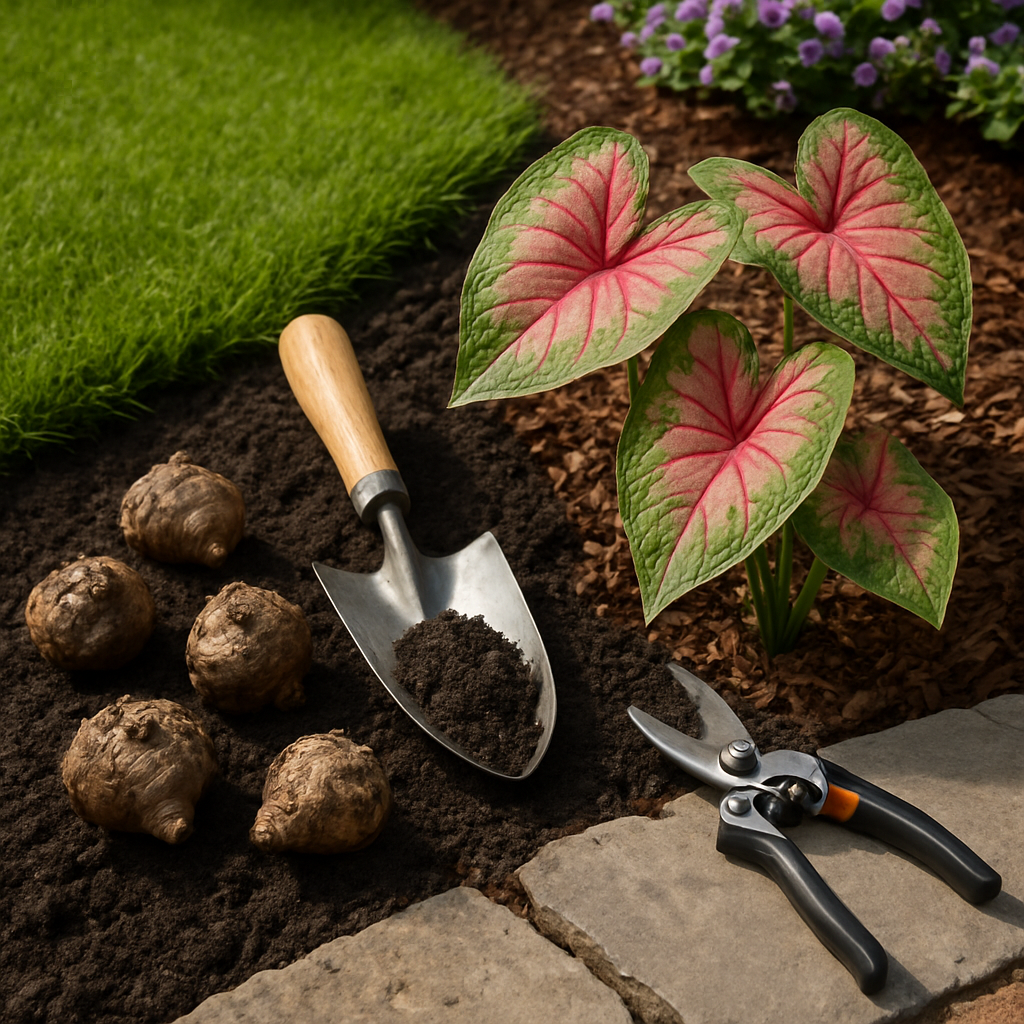
If you want vibrant foliage in shaded or partially sunny spaces, caladium bulbs are an ideal choice. Whether you are planting in beds outdoors or looking to add color indoors, caladium bulbs offer versatility, a spectrum of leaf patterns, and thrive in areas where many other plants struggle. Learning when to plant caladium bulbs and how to care for them ensures lush growth and long-lasting appeal throughout the growing season.
Choosing the Right Caladium Bulbs: Types and Sizes
Selecting the correct caladium bulb is crucial for achieving your gardening goals. Bulbs typically come in #1 (large) and Jumbo sizes, with larger bulbs producing more leaves, though not necessarily bigger individual leaves. Both sizes are suited for indoor and outdoor use, so assess your space and aesthetic preferences before deciding.
Caladium bulbs are available in many varieties, each displaying unique venation and color mixes, including red, white, pink, and green. For gardeners looking for a dramatic effect, mixing multiple varieties in one area can produce stunning displays.
Before purchasing, consider where you are sourcing your bulbs. Buying from reputable sources increases your chance of healthy, viable bulbs. You can order online for quality assurance and even access bulk or wholesale options for large projects.
Planting Caladium Bulbs Outdoors: Depth, Spacing, and Timing
Outdoor planting thrives when you start at the right time. In the USA, wait until the soil temperature is consistently above 65°F. This often means planting after the last frost in your USDA hardiness zone (such as zone 9 or 8). Caladium bulbs are tropical by nature and will not tolerate cold, so timing is vital.
When planting, position each bulb with the bumpy side up—this is where leaves emerge. Plant bulbs about 1.5 to 2 inches deep with their eyes facing up. Space them approximately 8 to 12 inches apart to allow for air circulation and robust leaf growth. Ample spacing helps prevent fungal problems and allows for dramatic leaf spread.
Ideal spots include beds beneath trees, shaded patio gardens, or north-facing borders where sunlight is dappled or filtered. In regions with harsher sun (like Texas or California), pick a site offering afternoon shade. Applying mulch after planting helps retain soil moisture and regulate temperature for better results.
Be patient, as caladiums emerge slowly, taking a few weeks after planting to send up shoots. Water regularly, but never let them sit in soggy soil; drainage is essential to avoid bulb rot.
Growing Caladiums Indoors: Containers, Positioning, and Climate Tips
Indoor planting is a great way to enjoy caladiums year-round, especially in cooler climates. Select pots with drainage holes and use a light, peat-based soil mix. Indoors, caladiums love warmth and humidity, so aim for temperatures above 70°F and avoid exposure to cold drafts.
Place caladium bulbs in pots with their growth points just below the soil surface. For lush results, cluster several bulbs in one pot but keep a few inches between them. Position containers in bright, indirect light—direct sun can scorch the delicate foliage.
Mist leaves regularly or use a humidity tray to keep moisture levels sufficient. If your home is dry or air-conditioned, group plants together or place them in bathrooms where humidity is naturally higher.
Indoor caladiums follow a natural dormancy cycle. When leaves yellow in autumn, gradually reduce watering until the bulbs go dormant. Store the bulbs dry and cool, then replant in fresh soil in early spring for new growth.
Caladium Bulb Care Year-Round: Sun Tolerance, Watering, and Maintenance
Consistent moisture and shade are the keys to healthy caladiums, though some varieties are sun-tolerant. Review bulb packaging or check online sources like Proven Winners for specific cultivar preferences. Sun-tolerant types can take more exposure in northern locations or filtered afternoon sun in warmer zones.
Water caladiums deeply but infrequently: allow the top inch of soil to dry slightly before watering again to prevent rot. Container-grown plants generally require more frequent watering than garden beds, especially indoors.
Fertilize lightly every 4-6 weeks during the active growing season with a balanced, water-soluble fertilizer. Avoid over-fertilizing, which may encourage excessive foliage at the expense of vibrant coloration.
Remove dead or yellowing leaves to keep your planting clean and disease-free. Periodically check for pests such as spider mites or aphids, which may attack indoor or outdoor caladiums.
In colder climates or places with winter frost, dig up bulbs in fall and store them in a dry peat moss or sand. Replant once soil temperatures warm in spring for a fresh show of color.
Frequently Asked Questions: Buying, Shipping, and Best Places to Find Caladium Bulbs
You can find caladium bulbs for sale both locally at garden stores and online from trusted retailers. Online options often provide the widest selection, free shipping deals, or bulk pricing for large-scale planting.
- When to Plant: Plant outdoors after soil is 65°F or warmer; for indoor pots, plant in late winter or early spring.
- Which Side Up: Plant the bumpy, eye side facing upward for optimal growth.
- How Deep: Set bulbs 1.5–2 inches below the soil surface for best rooting.
- Best Place to Buy: Trusted suppliers like Caladium Bulb Company or specialty bulb retailers offer fresh stock and shipping timed to avoid cold-weather damage.
- Zone Suitability: Hardy in USDA zones 9-11; grow as annuals or overwinter indoors in cooler regions.
- Bulk and Wholesale: Special rates are available for landscape projects or professional gardeners from online sources.
With careful bulb selection, attention to planting depth and timing, and thoughtful year-round care, caladium bulbs provide extraordinary color both indoors and outdoors in shade gardens, window boxes, and decorative containers.


Comments
Post a Comment