Bougainvillea Fertilizer: How to Feed for Abundant Flowering in Pots and Pruning Success
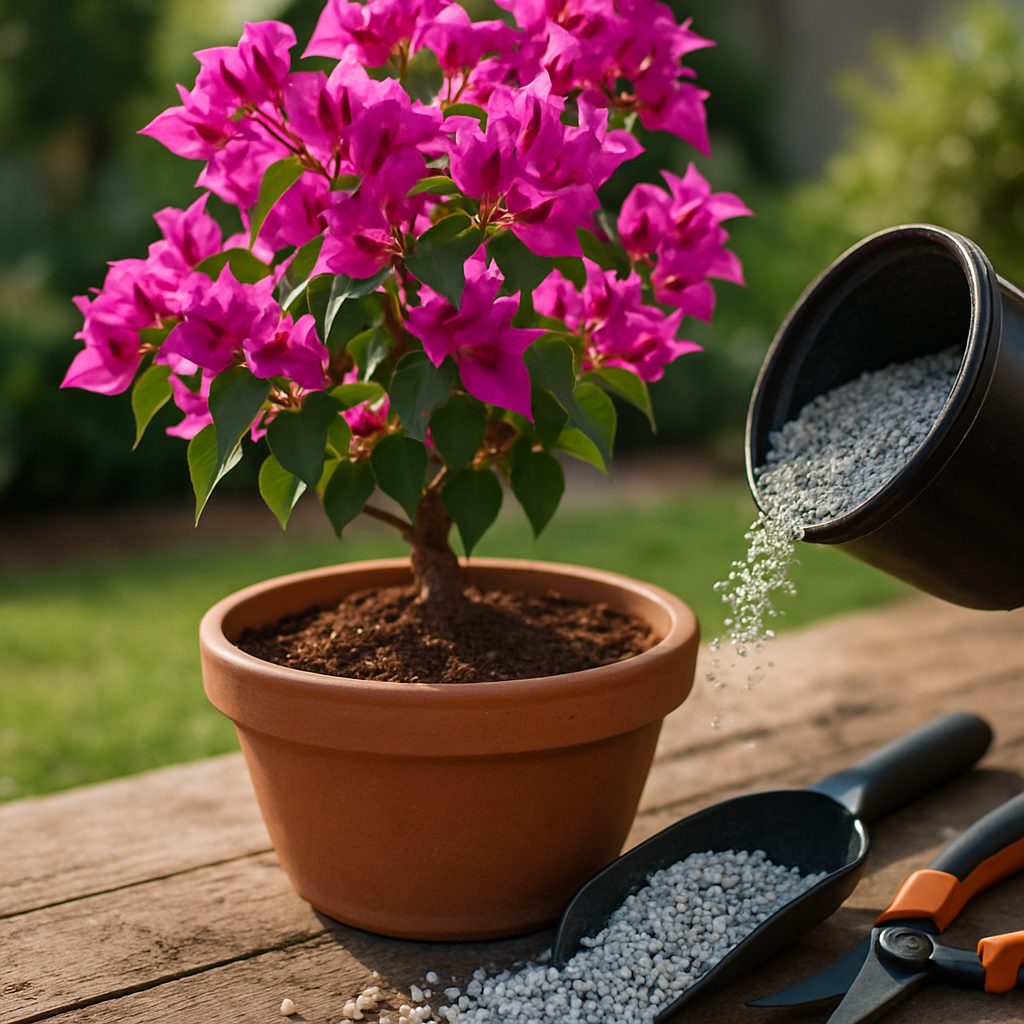
If you want to enjoy a thriving bougainvillea bursting with vibrant blooms, understanding the right fertilizer regimen is essential. For optimal flowering in pots or gardens, a balanced but slightly higher phosphorus fertilizer, applied every 2–3 weeks, provides the nutrients bougainvillea needs for continuous color and healthy growth. Feeding alone isn't enough; smart watering, strategic pruning, and attentive placement all combine to ensure your bougainvillea reaches its full potential, both outdoors and in containers. [Source]
Flowering in Pots: Timing, Placement, and the Role of Fertilizer
Growing bougainvillea in pots requires a slightly different approach than in-ground planting. Potted bougainvilleas benefit from positioning in full sun, as sunlight is the single most important factor for prolific blooming. The soil should be well-draining, ideally a mix designed for container plants, allowing the root system to breathe and preventing the waterlogged conditions bougainvillea dislikes. [Gardenia Guide]
Fertilizer choice matters: select one high in phosphorus with moderate nitrogen. Apply it every 2 to 3 weeks during active growth and after each major flush of blooms. Water thoroughly after fertilizing to avoid salt burn. Overfeeding or using a formula too rich in nitrogen can result in lush leaves at the expense of flowers—a common mistake for bougainvillea in pots.
Routine inspection is key. Bougainvillea in containers may need more frequent watering than in-ground plants but make sure to let the top few inches of soil dry out before each session. This drying cycle, paired with a consistent fertilizing schedule, produces intense flowering and the iconic bract color display that bougainvilleas are known for.
Pruning After Summer and Maximizing Bloom Cycles
Bougainvillea responds exceptionally well to pruning, especially when shaping is done after the main summer bloom. This practice not only keeps the plant compact and attractive but actually promotes the next cycle of flowering. Aggressive pruning of overgrown or fading stems encourages robust new shoots, which are the source of future flowers.
After every major bloom, cut back wilted bracts and weak stems—don't be timid. Bougainvillea tolerates heavy trims, and selective cutting is essential for those wishing to train their plant into a tidy tree form or to prevent sprawling. Always use sterilized, sharp shears to avoid disease transmission.
Fertilization is especially important after pruning. A dose of high-phosphorus fertilizer helps the plant recover and sets the stage for fresh growth. Water after both pruning and feeding; consistent moisture without waterlogging will keep roots active and healthy.
Homemade and Store-Bought Bougainvillea Fertilizer: What Works?
Homemade fertilizer options attract gardeners eager for a DIY touch. Mixtures featuring bone meal (for phosphorus), compost for micronutrients, and Epsom salts are frequently recommended for those preferring not to use commercial blends. While these can promote general health, synthetic or commercial fertilizers designed for flowering plants—readily found at stores like Home Depot or Amazon—offer precise ratios and convenience, often resulting in more predictable blooms.
Both homemade and store-bought options should focus on phosphorus as the prime driver for flowering. Avoid high-nitrogen feeds which will only push leaf growth, potentially reducing the vibrancy and frequency of blooms. Store-bought brands sometimes include trace elements tailored to bougainvillea's needs, and many growers prefer these for reliable results.
When using any fertilizer, potted plants may require slightly diluted solutions to avoid salt build-up, since containers can concentrate mineral residues over time. Rinse with plain water every few months to help clear out excesses, particularly during heavy feeding periods.
Bougainvillea Care in Fall and Winter: Feeding, Watering, and Protection
As the weather cools in fall and winter, adjust both your watering and fertilizing routine. Bougainvillea's growth slows, and overfeeding can lead to weak, leggy growth. Reduce fertilizer frequency after flowering ends and never fertilize dormant plants. However, slow-release fertilizer granules applied at the start of autumn can help sustain root health as the plant transitions into dormancy.
Water less frequently in cooler months but do not let the soil bone dry for extended periods. If your bougainvillea is outdoors, especially in a pot, consider moving it to a protected location or mulching the roots heavily, as some cultivars—such as the San Diego Red—can withstand temperatures as low as 20°F if well mulched. [Bougainvillea Care Sheet]
Inside, place bougainvillea by a bright window, but don't be tempted to move it indoors and outdoors repeatedly. Abrupt changes in environment can trigger leaf and flower drop due to stress, as the plant enters self-preservation mode. Stable, lightly reduced feeding and watering, coupled with bright, direct light, will help potted bougainvillea hold onto its foliage and structure over winter.
Common Questions: Watering, Pruning, and Protecting Bougainvillea for Year-Round Results
- How often should I water bougainvillea in pots?
Watering frequency depends on the weather and pot size, but the soil should always be allowed to dry out between sessions. Overwatering is a more serious threat than underwatering. In general, a couple of thorough waterings a week is enough during active growth, dropping to once every 10–14 days in winter, always inspecting soil moisture first.
- When and how should bougainvillea be pruned for tree shapes?
Pruning into a tree form starts with staking a central stem and pinching off side shoots regularly. Heavy pruning is best done after a major bloom. Shape the canopy with repeated trims, supporting upward growth by tying loose branches and always encouraging the hardest wood to remain as the trunk.
Pruning and fertilizing routines, timed to the natural bloom-and-rest cycle of bougainvillea, encourage prolific and repeated flowering. They are also your best tools for creating lush potted displays, abundant garden climbers, or even striking standalone trees. For deeper guidance and regional advice, consult the Monrovia Bougainvillea Care Guide for additional growing tips.
A thoughtful feeding regimen, smart watering, aggressive pruning, and seasonal adjustments to both routine and protection are the secrets to exceptional bougainvillea displays—indoors or out.


Comments
Post a Comment